



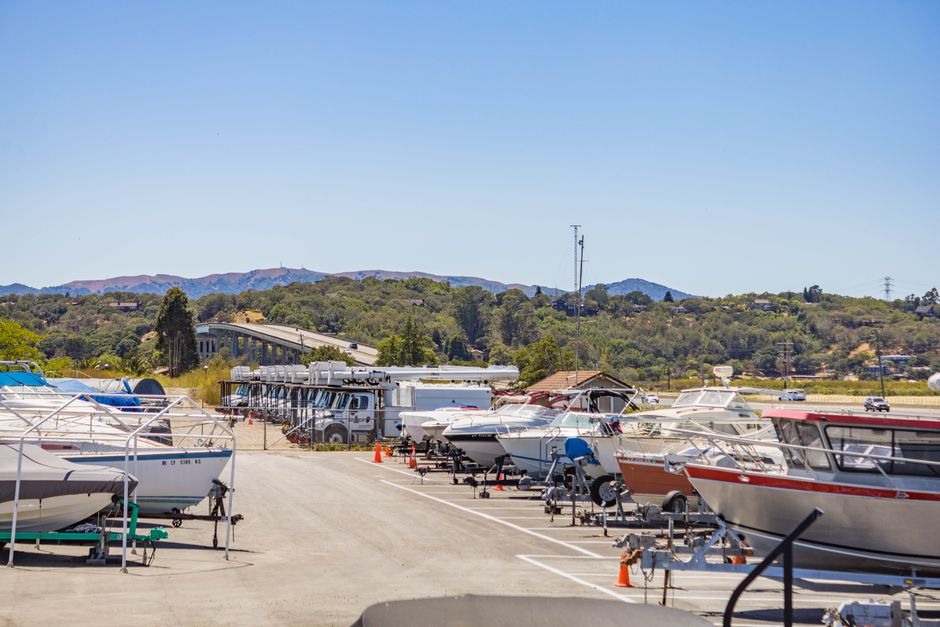
The Great Winterization Debate: Is It Necessary?
If you live in a climate where temperatures consistently drop below freezing, winterization is not optional—it is a necessity. Even a single night of a hard freeze can cause significant damage to your plumbing system, resulting in cracked pipes and costly repairs come spring.
If you are caught off guard by an early freeze warning, don't panic. At a minimum, drain your low-point water lines and open all faucets. While blowing out lines with compressed air is effective, adding RV-specific antifreeze is the safest insurance policy for your water heater and pump.
Pink Stuff Math: How Much Do You Need?
A common question for first-timers is exactly how much RV antifreeze to buy. A good rule of thumb is to keep three to four gallons on hand for most travel trailers or fifth wheels.
- Use one gallon to pump through the lines.
- Reserve one gallon for pouring into P-traps in sinks and showers.
- Keep a backup gallon for topping off if your water heater bypass system requires extra volume.
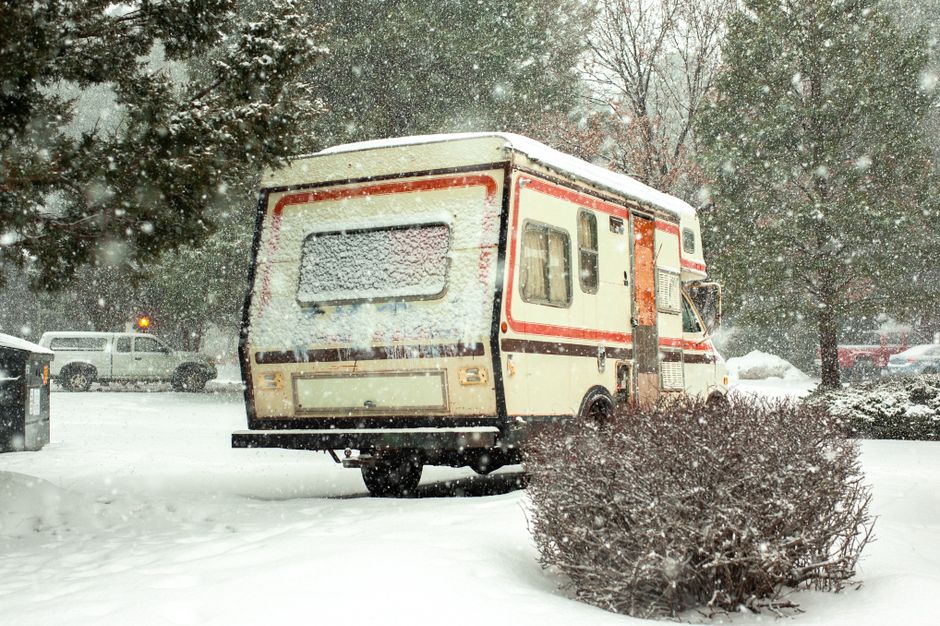
Choosing Your Storage Solution
Where you park matters as much as how you winterize. While uncovered outdoor storage is budget-friendly, it leaves your rig vulnerable to UV damage, snow load, and critter intrusion.
The Benefits of Covered Storage
Covered storage provides a vital layer of protection against the elements. If you are planning on building or renting, look for structures that allow airflow to prevent mold and mildew. If you have the budget, enclosed, temperature-controlled buildings are the gold standard for protecting seals, tires, and electronic components from sub-zero degradation.
Final Winterization Checklist
- Drain the fresh water tank, hot water heater, and all low-point drains.
- Bypass your water heater before pumping in antifreeze.
- Remove batteries and store them in a climate-controlled area, keeping them on a trickle charger.
- Clear the interior of all food items to avoid attracting mice and rodents.