




Preparing Your RV for the Deep Freeze
When an early freeze warning hits, the clock starts ticking. The most critical step in your winterization process is clearing your water lines to prevent burst pipes, which can cause thousands of dollars in damage.
- Drain all holding tanks, including the freshwater tank and the water heater.
- Bypass your water heater to prevent filling it with antifreeze.
- Pump RV-safe antifreeze through your lines or use a blowout plug with an air compressor to clear all water.
- Ensure all low-point drains are left slightly open during storage.
Storage Solutions: Covered vs. Buildings
Choosing the right environment for your RV can extend its lifespan by years. Covered storage offers excellent protection from UV rays and heavy snow accumulation, while dedicated RV storage buildings provide the best defense against pests and extreme temperature fluctuations.
If you are considering a permanent structure, always check with your local planning commission. Proposals like those seen in recent county development discussions highlight that zoning laws are constantly evolving; staying informed prevents costly planning mistakes.
Navigating Property Fines and Zoning Laws
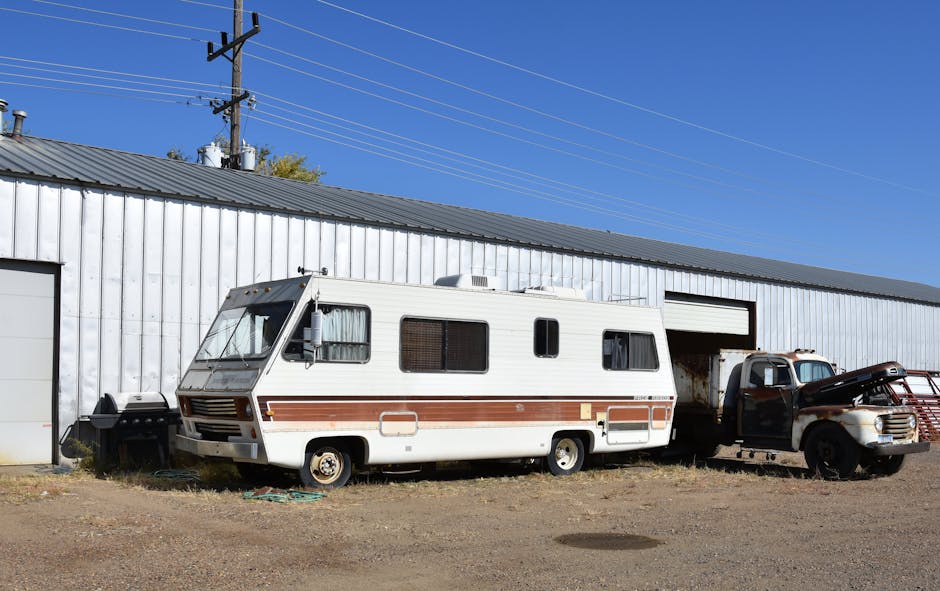
It is a frustrating reality: you own the rig, but the city thinks it’s an eyesore. If you have been fined for parking beside your house, do not just pay it immediately. Check your local CC&Rs and municipal codes to see if you can file an appeal or request a variance.
If your property cannot accommodate the RV, it is time to look at professional storage options. Sites like Patterson RV Resort or Winter Haven RV Park offer secure alternatives that keep you compliant with city regulations while ensuring your investment is stored safely. Investing in professional storage is often cheaper than paying recurring municipal fines.