



Winterization 101: Is It Necessary?
If you live in an area where temperatures dip below freezing, winterizing is not optional—it is a critical maintenance task. Skipping this can lead to burst water lines, ruined water pumps, and expensive structural damage.
Many first-timers wonder how much "pink stuff" (RV-grade antifreeze) they need. For most mid-sized travel trailers, two to three gallons is sufficient to flush your lines. Always ensure you are using non-toxic RV antifreeze, not automotive coolant, to protect your potable water system.
Protecting Your RV Tires and Exterior
Tire Care During Storage
Tires can suffer from dry rot and flat spots during long-term storage. To protect your investment, inflate tires to the manufacturer's maximum pressure rating and use tire covers to block harmful UV rays, which accelerate rubber degradation.
Covered Storage vs. Outdoor
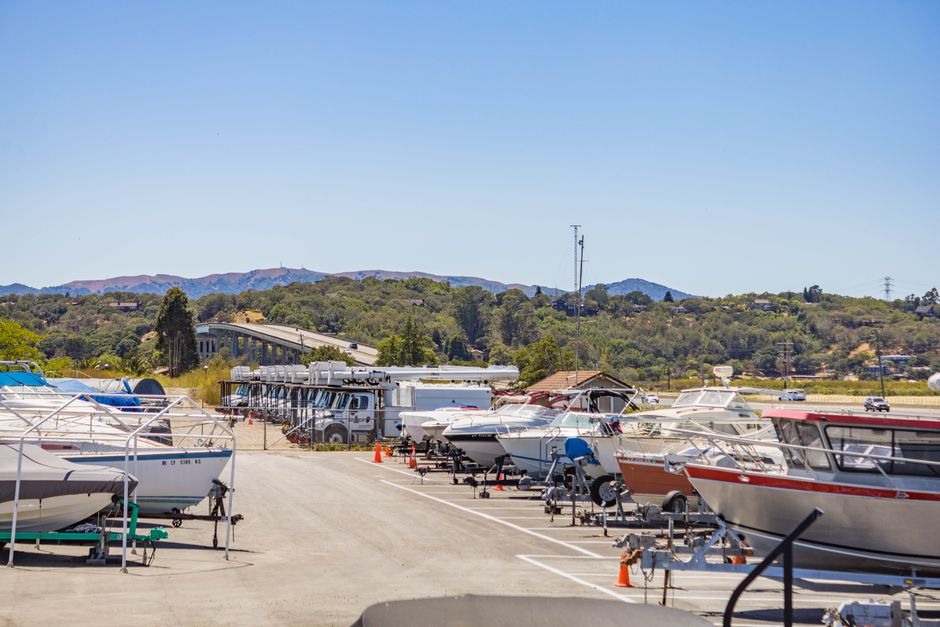
If possible, opt for covered storage. It protects your roof seals from snow load and debris while preventing the paint oxidation caused by constant sun exposure. If you are building a dedicated storage structure, ensure it provides adequate ventilation to prevent mold and mildew buildup inside the cabin.
Responding to Early Freeze Warnings
If an unexpected freeze warning is issued, move quickly. At a minimum, drain your low-point water drains and blow out your lines with compressed air if you cannot complete a full antifreeze winterization immediately. This "emergency blowout" will buy you time until you can properly winterize your system.
For long-term storage solutions, consider professional facilities that offer specialized care. When looking for a secure place to park, consider locations like Hidden Valley RV Resort, which provides ample space for winter prep, or Lakeside Retreat for secure, accessible winter storage options.
