



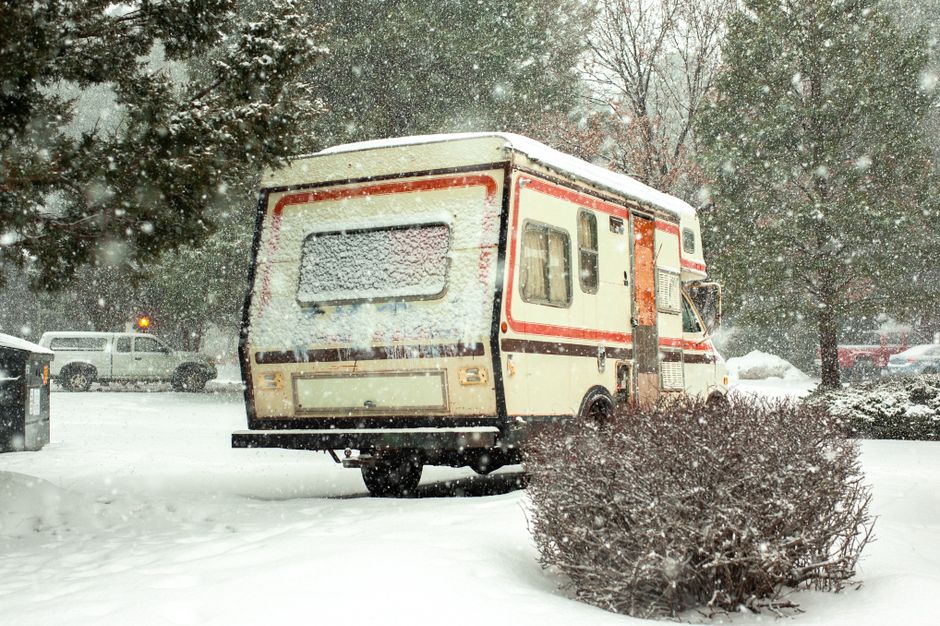
Early Freeze Warnings: Immediate Actions
When the forecast drops to freezing, your RV plumbing is at the highest risk. If you are caught off guard by an early freeze warning, start by draining your fresh, grey, and black water tanks completely.
Next, bypass your water heater and use a blow-out plug to clear the lines with compressed air. For maximum protection, pump RV-specific antifreeze through your faucets and showerheads until you see pink.
Covered Storage vs. Open Lots
Choosing where your rig spends the winter is as important as the winterization process itself. Covered storage offers a significant advantage by protecting your roof seals from snow accumulation and UV degradation.
While open-air storage is budget-friendly, it leaves your RV vulnerable to moisture traps under covers and heavy snow loads. If you are planning for long-term wintering, look for facilities that offer metal carports or fully enclosed units to minimize maintenance headaches in the spring.
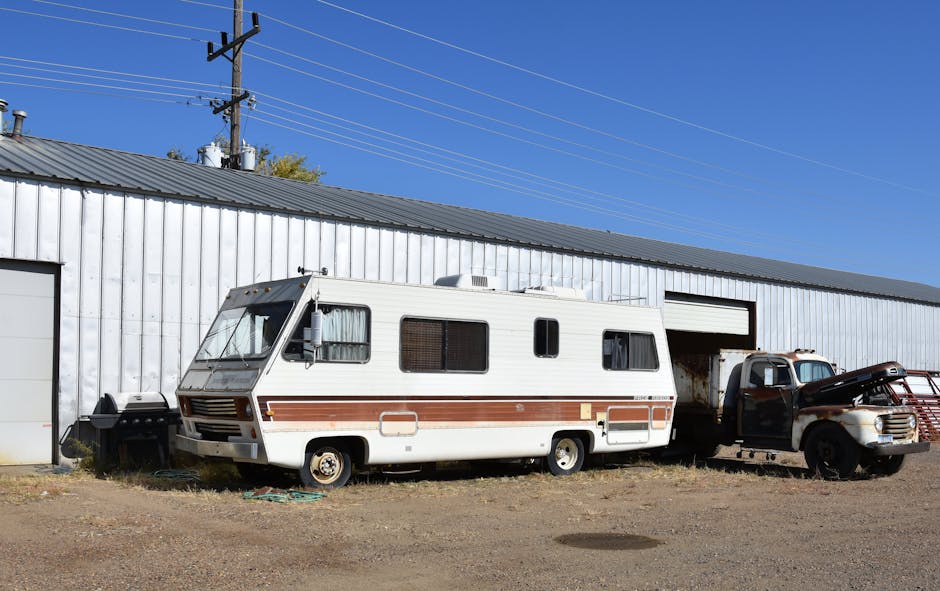
Designing Custom RV Storage Buildings
If you have the property, building a custom RV shelter is the gold standard for maintenance. When designing, prioritize high clearance doors and ventilation to prevent condensation buildup, which is the silent killer of interior finishes.
Consider installing a 30 or 50-amp shore power hookup inside the structure. This allows you to keep your batteries on a trickle charger or run a dehumidifier throughout the coldest months, ensuring your rig is ready to roll as soon as the ground thaws.