



To Winterize or Not: Is It Necessary?
If your RV is parked in a climate where temperatures drop below freezing, the answer is a definitive yes. Leaving water in your lines can lead to burst pipes and expensive plumbing repairs before the spring thaw even arrives.
If you are preparing for an early freeze warning, don't wait. Focus on draining your fresh water tank, low-point drains, and water heater immediately.
The Pink Stuff: How Much Do You Need?
For most standard travel trailers and Class C motorhomes, two to three gallons of RV-specific non-toxic antifreeze is usually sufficient. Always ensure you are using 'RV/Marine' antifreeze, never automotive coolant.
- Drain all holding tanks completely.
- Bypass your water heater to avoid filling it with antifreeze.
- Pump the 'pink stuff' through each faucet until you see a steady pink flow.
Protecting Tires and Selecting Storage
Tires can develop flat spots and dry rot during long periods of inactivity. If possible, inflate tires to the manufacturer's maximum recommended pressure and use covers to block UV rays, which are the leading cause of sidewall cracking.
Covered vs. Open Storage
Covered storage is the gold standard for protecting your roof seals and decals from snow loads and ice dams. If you are designing your own storage building, prioritize ventilation to prevent mold growth inside the cabin.
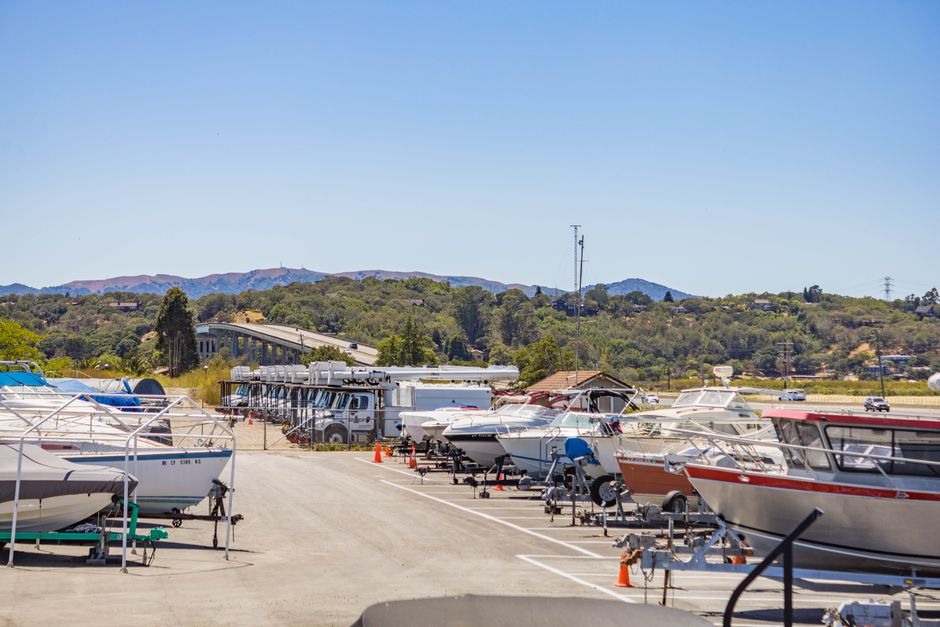
Whether you choose indoor protection or an open lot, ensure you are storing your rig at a reliable location like RVParx Central or RVParx North to ensure security throughout the off-season.