



Winterizing 101: Do You Really Need to Do It?
If you live in a climate where temperatures drop below freezing, the answer is a definitive yes. Failing to winterize can lead to burst plumbing lines, damaged water heaters, and expensive water pump repairs. Even if you are facing an early freeze warning tonight, quick action can save you thousands in repairs.
How Much 'Pink Stuff' Do You Need?
For the average travel trailer or motorhome, you will typically need two to three gallons of non-toxic RV-specific antifreeze. Always use RV-grade antifreeze, never automotive coolant, which is toxic and dangerous for your potable water system.
Motorhome Storage and Tire Care
Storing your motorhome properly preserves your investment. Whether you choose indoor, covered, or open-air storage, your tires need special attention. UV rays and fluctuating temperatures degrade rubber, so use tire covers to shield them from the elements. If possible, park on concrete or wood blocks rather than direct soil to prevent moisture wicking.
Selecting Your Storage Environment
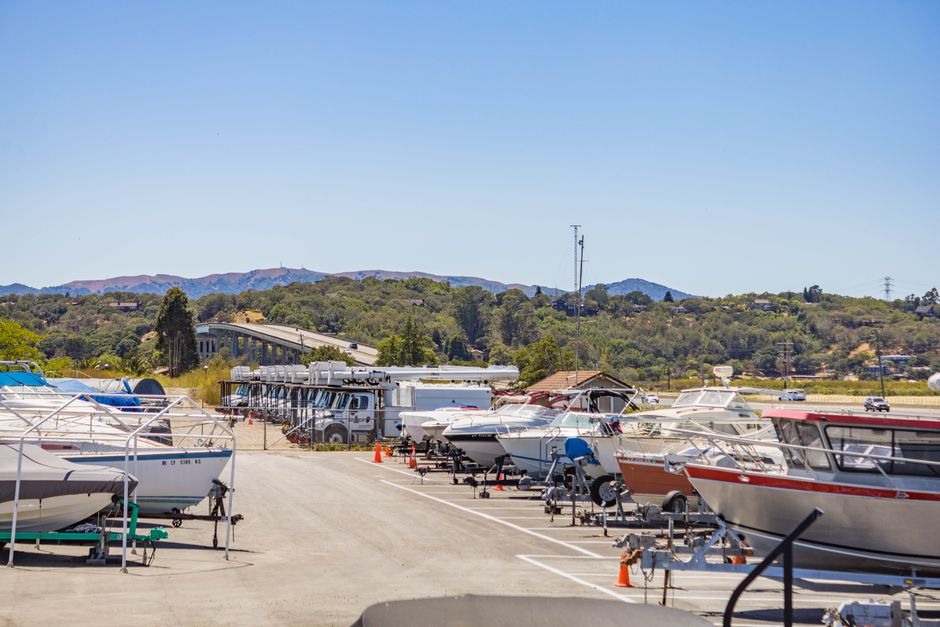
The type of storage you select makes a huge difference in the longevity of your RV. Covered storage is the gold standard, protecting your rig from snow loads and ice dams while still allowing for airflow to prevent mold and mildew. If you are looking for secure places to keep your rig, check out top-rated facilities like [Hidden Valley RV Park](/park/hidden-valley-rv-park) or [Eagle Lake RV Park](/park/eagle-lake-rv-park) for climate-appropriate options.
Storage Checklist for Success
- Drain all water lines, tanks, and the water heater.
- Bypass the water heater before pumping in antifreeze.
- Remove all food items to deter rodents.
- Keep a trickle charger on your batteries to prevent discharge.
- Use interior moisture absorbers like DampRid to prevent interior mildew.