



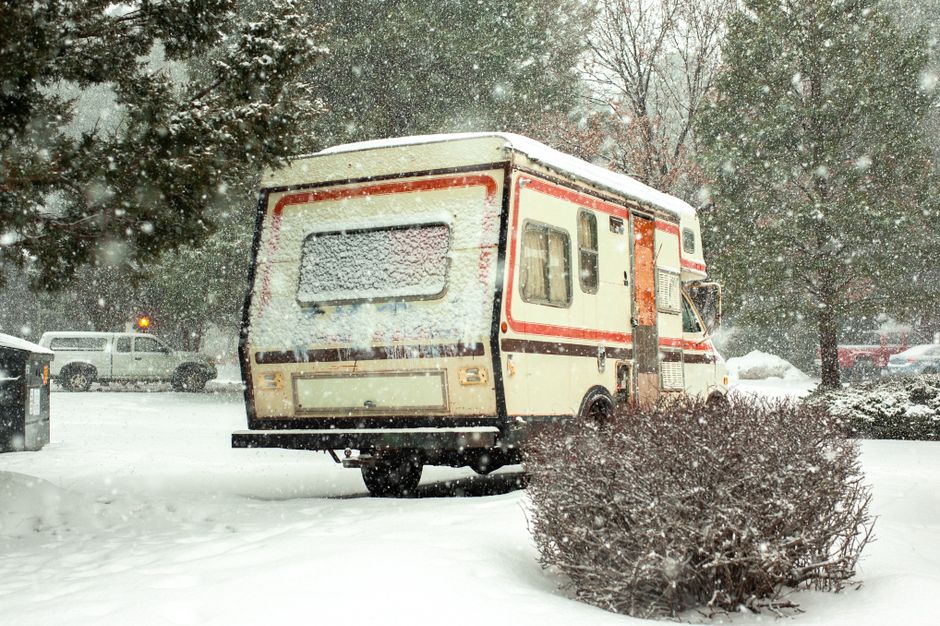
Is Complete Winterizing Necessary?
If you live in a region where temperatures consistently dip below freezing, the answer is an absolute yes. Leaving water in your lines, tanks, or water heater is a recipe for cracked pipes and expensive repairs when spring arrives.
Even if you get an early freeze warning tonight, you need to act fast. At the very least, drain all holding tanks and the water heater, and use a blowout plug to clear the lines with air if you aren't ready to use RV antifreeze yet.
The Pink Stuff: How Much Antifreeze Do I Need?
For most travel trailers and mid-sized motorhomes, you will typically need between two and three gallons of RV-specific non-toxic antifreeze. It is always better to have an extra gallon on hand rather than running out halfway through the process.
- Bypass your water heater to avoid wasting antifreeze filling that large tank.
- Drain all fresh water and holding tanks completely.
- Use a water pump conversion kit or a hand pump to draw antifreeze directly into your plumbing system.
- Open each faucet one at a time until you see the pink liquid flowing.
Tires and Storage: The Long-Term Protection
Your tires are one of the most expensive wear items on your motorhome. During long-term storage, UV rays and weight pressure can cause flat spots and sidewall cracking.
Cover your tires to block out harmful sun exposure, and ideally, park your rig on concrete or wood blocks rather than direct dirt or grass. This prevents moisture from seeping into the tire rubber from the ground up.
Choosing Covered vs. Open Storage
Choosing the right storage environment depends on your budget and protection needs. Covered storage is the gold standard, as it protects your roof seals from snow load and prevents UV degradation of your exterior graphics.
If you must use uncovered storage, invest in a high-quality, breathable RV cover. Avoid plastic tarps, which trap moisture and lead to mold and mildew growth inside your rig over the long winter months.