



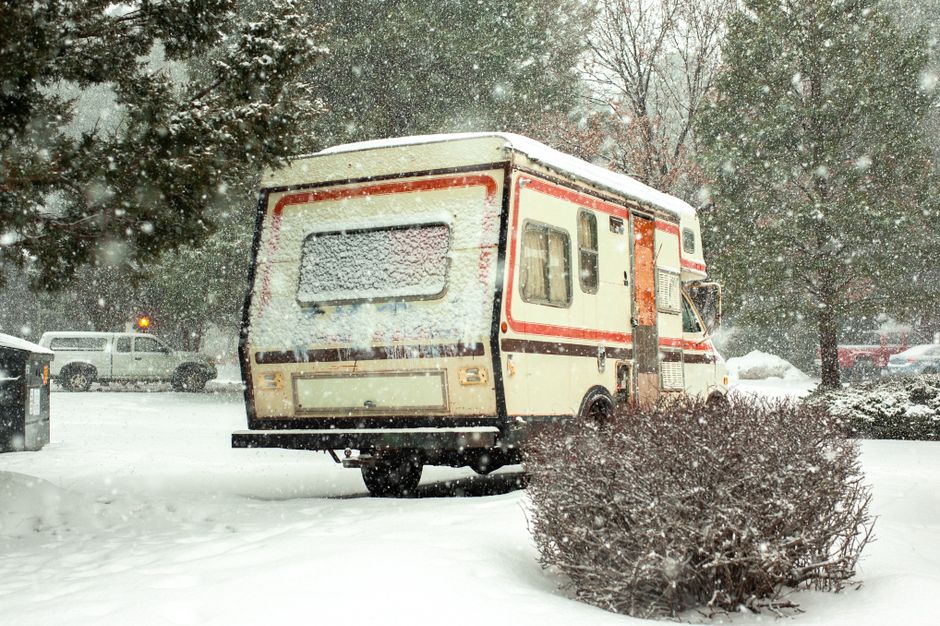
To Winterize or Not?
If you live in a region where temperatures drop below freezing, complete winterization is not optional—it is a necessity. Even a minor early freeze can rupture PEX tubing and destroy your water pump, leading to expensive repairs when the warmer season arrives.
If you are caught off guard by an early freeze warning, immediate action is required. At a minimum, drain your low-point drains and water heater, and use a blowout plug to clear lines with compressed air if you do not have enough RV-specific antifreeze on hand yet.
The Pink Stuff: How Much Do You Need?
For most standard travel trailers or motorhomes, two to three gallons of non-toxic RV antifreeze is usually sufficient to protect your plumbing system. The exact amount depends on the length of your water lines and whether you have an ice maker or washing machine.
- Drain the fresh water, grey, and black tanks completely.
- Bypass your water heater to avoid filling the tank with antifreeze.
- Use a water pump converter kit to draw the pink antifreeze directly from the jug into your system.
- Open each faucet one at a time until you see pink fluid, including the exterior shower and toilet flush.

Protecting Tires and Exterior
Your tires are susceptible to dry rot and UV damage when sitting stationary for months. Always use tire covers to block out harsh sunlight and consider placing rubber mats or wooden boards between the tires and the cold, damp ground to prevent moisture wicking.
When considering covered storage versus an open lot, covered storage is the gold standard. It protects your roof seals from snow load and ice accumulation, which are the primary culprits for roof leaks. If you must store your unit outdoors, invest in a breathable, high-quality RV cover to prevent mildew buildup underneath.