



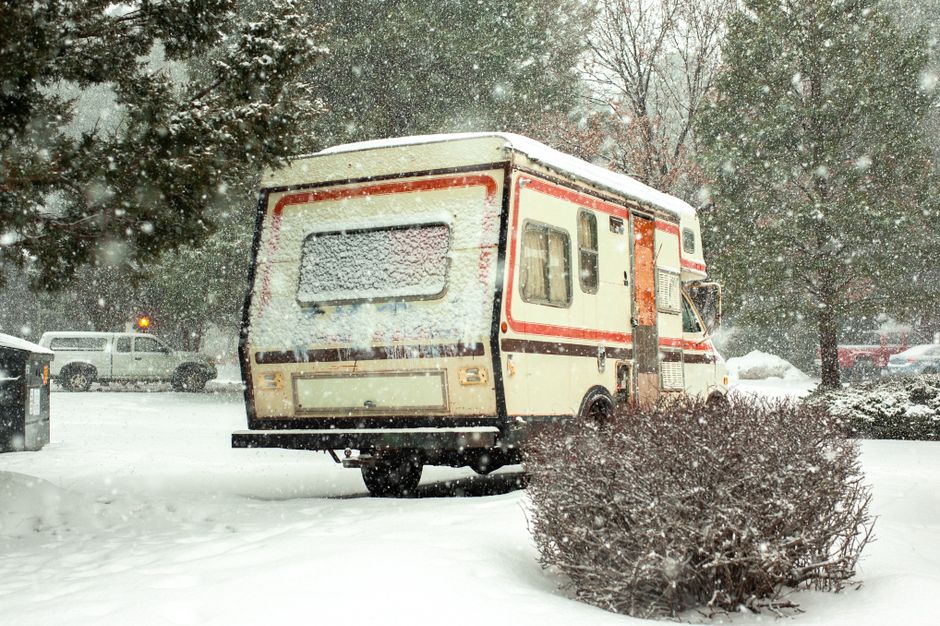
To Winterize or Not: Is It Necessary?
If you live in a climate where temperatures drop below freezing, the answer is a resounding yes. Allowing water to sit in your pipes during a deep freeze will lead to burst lines, cracked fixtures, and expensive water damage. Even if you get an early freeze warning, you must act immediately to drain your systems.
How Much Pink Stuff Do You Need?
For a standard travel trailer or motorhome, two to three gallons of RV-specific antifreeze is usually sufficient to flush the entire system. Always use non-toxic, propylene glycol-based antifreeze labeled specifically for potable water systems.
Tire Care and Storage Logistics
Storage is not just about the plumbing; it is about the chassis as well. Tires can develop flat spots or suffer from dry rot if they sit in one position for months, especially in the cold. Keep your tires inflated to the manufacturer’s recommended pressure and use tire covers to protect them from UV degradation.
If you are looking for long-term solutions, consider finding a facility that offers concrete pads. It prevents moisture from wicking into your frame and tires. Whether you are using a covered storage spot or a dedicated building, ensure your leveling system is deployed properly—never leave Anderson levelers under the tires for months as it can cause long-term deformation.
Choosing the Right Storage Facility
Not all storage is created equal. Covered storage is the gold standard for preventing snow load damage and keeping your roof seals healthy. If you are designing your own RV storage building, prioritize ventilation to prevent mold growth, which is a common silent killer of RV interiors during the winter months.
Regardless of whether you choose an indoor climate-controlled bay or an outdoor spot, always perform a thorough inspection of your roof sealant before tucking the rig away. An early freeze will exploit even the tiniest crack in your caulking.