



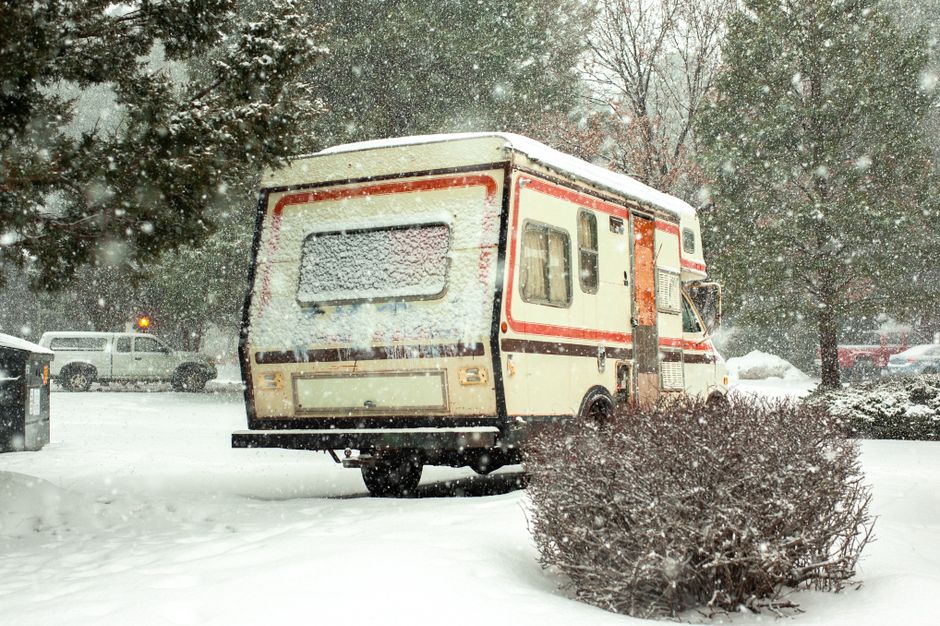
To Winterize or Not: Is It Really Necessary?
If you live in an area where temperatures drop below freezing, the answer is a resounding yes. Water expands when it freezes, which can crack your pipes, ruin your water pump, and burst your water heater tank.
Even if you have an early freeze warning tonight, don't panic. If you can't winterize immediately, disconnect your water hose, open all faucets, and run your water pump for a few seconds to clear the lines. This is a stop-gap measure until you can properly flush the system with antifreeze.
The Pink Stuff: How Much Do You Need?
The age-old question of how much RV antifreeze to buy depends on your rig's length and plumbing complexity. For most travel trailers and smaller motorhomes, 2 to 3 gallons are typically sufficient.
- Standard RVs (under 25ft): 2 gallons.
- Large motorhomes with washers/dryers or residential fridges: 4+ gallons.
- Always have an extra gallon on hand just in case of spills or long runs to the kitchen faucet.
Tires and Storage Environments
Your tires take a beating when sitting idle all winter. The weight of the RV on a single spot can cause flat spots, and UV exposure degrades the rubber sidewalls rapidly.
- Use tire covers to shield against sun-induced dry rot.
- Inflate tires to the manufacturer's recommended PSI before storage.
- If possible, move the rig a few feet once a month to prevent permanent sidewall stress.
Covered vs. Open Storage
Covered storage is the gold standard, as it protects your roof seals from snow load and ice damming. If you are stuck with open storage, ensure your roof vents are covered and your seals are inspected for cracks before the first snow flies.