



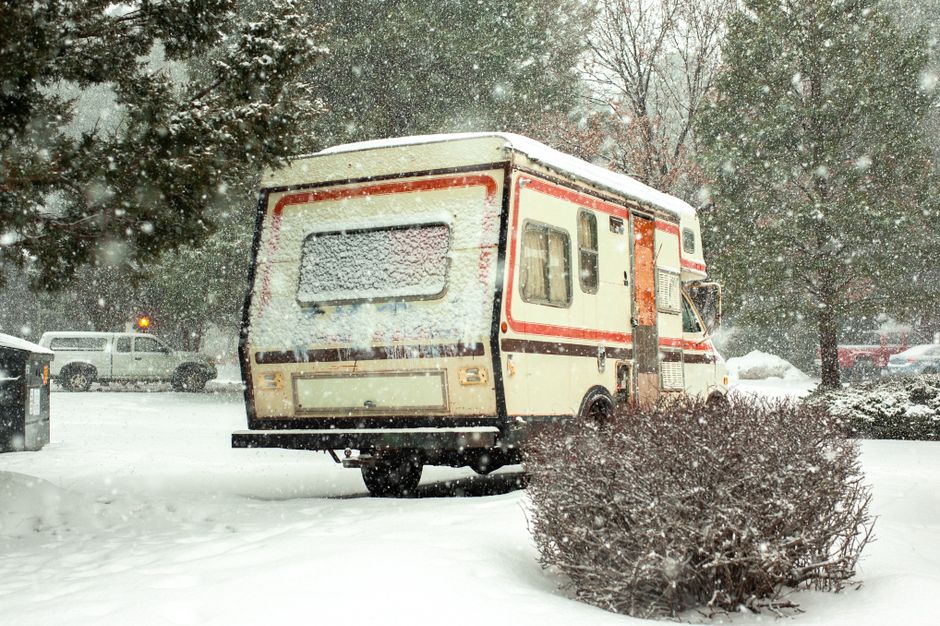
To Winterize or Not: Is It Necessary?
If you live in an area where temperatures drop below freezing, complete winterizing is not optional—it is a necessity to prevent catastrophic plumbing damage. Even a short early freeze can burst pipes and crack your water heater, leading to expensive repairs come spring.
For many owners, the biggest question is how much antifreeze to buy. A general rule of thumb is to have at least two to three gallons of non-toxic RV antifreeze on hand. It is always better to have extra than to run out while you are halfway through the process.

Tire Care and Storage Space
Your RV tires take a beating on the road, but they can degrade even faster when sitting stagnant for months. If possible, park your rig on a hard, level surface to avoid tire sinkage into mud or soft grass. We recommend using tire covers to protect the rubber from UV exposure, which accelerates cracking and dry rot.
When choosing between covered storage and open parking, consider your climate. Covered storage is the gold standard, as it protects your roof seals from snow load and prevents debris from accumulating on your slide-outs. If you are looking for local options, check out Barnes Park Campground for reliable site availability.
Checklist for Long-Term Parking
- Drain all water lines, including the low-point drains and your water heater tank.
- Pump non-toxic antifreeze through all faucets and the shower head.
- Remove all batteries or put them on a trickle charger to prevent deep discharge.
- Close all vents and windows tightly, but consider using a dehumidifier bucket inside to manage moisture.
- Add a fuel stabilizer to your gas tank if you have a motorized unit.