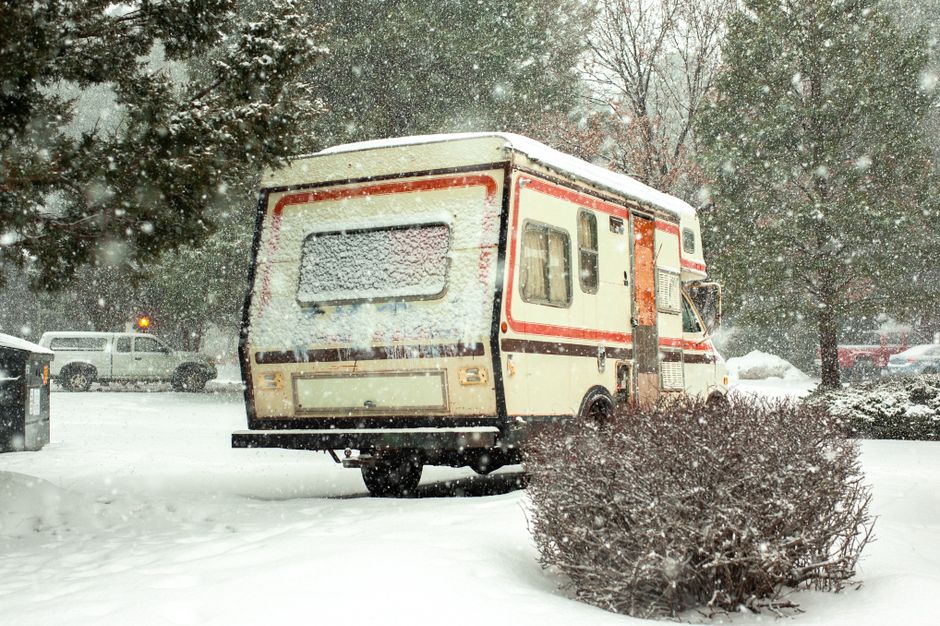
The Fundamentals of Winterizing
Winterizing is not just a suggestion; it is a necessity for preventing catastrophic plumbing damage. Whether you are a first-timer wondering how much RV antifreeze you need, or a veteran, the golden rule remains the same: bypass the water heater and ensure every line is purged.
If you are facing an early freeze warning, don't panic. At a minimum, drain your low-point drains and blow out the lines with compressed air if you cannot get to the store for antifreeze immediately. Is complete winterizing always necessary? If you live in a climate where temperatures consistently drop below freezing, yes, it is the only way to avoid burst pipes and thousands in repairs.
Tires, Heating, and Storage Environments
Many RVers ask if they should use heaters under the trailer. While a small space heater can help keep underbelly components warmer, it poses a significant fire risk and requires reliable, constant shore power. Avoid leaving heaters running unattended in storage.
Tire maintenance is equally critical. During long-term storage, tires can develop flat spots or dry rot. Keep your tires inflated to the manufacturer’s recommended pressure and, if possible, use tire covers to protect the rubber from UV degradation. If you are choosing between storage options, a dedicated RV storage building is superior to outdoor storage as it protects your rig from snow loads and ice dams.
Choosing the Right Storage Facility
Whether you need short-term storage or a long-term home for your motorhome, the location matters. If you are looking for secure storage options near top-rated destinations, consider facilities like [Mountain View RV Park](/park/mountain-view-rv-park) for their professional oversight. For those seeking seasonal long-term spots, [Riverside Camping Resort](/park/riverside-camping-resort) offers excellent security features for off-season rigs.