To Winterize or Not: The Freeze Reality
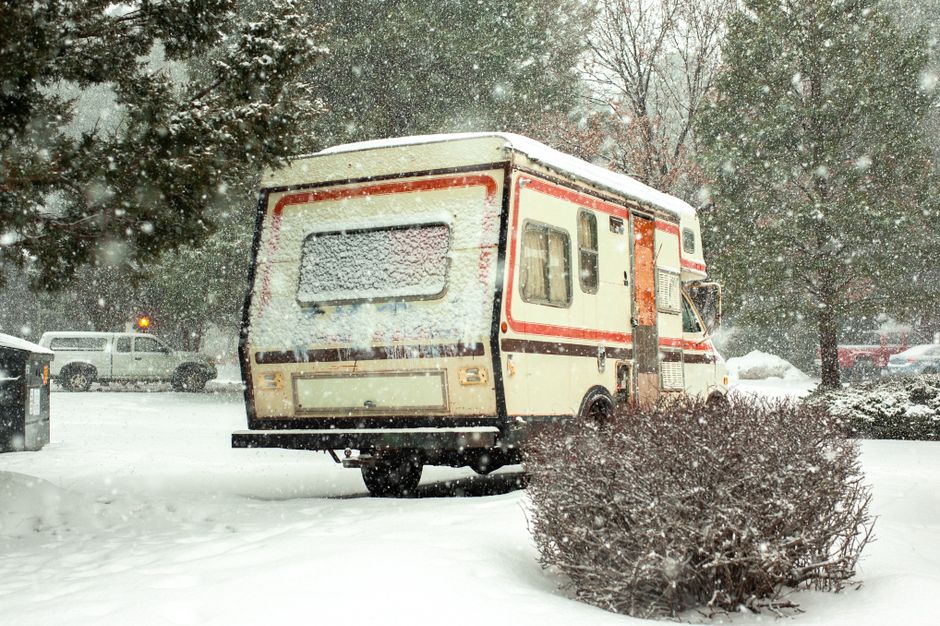
If you live in a climate where temperatures drop below freezing, you must winterize. Even a single night of unexpected frost can burst your pipes, water heater, and pump. The "pink stuff" (RV antifreeze) is your best friend here, but many beginners wonder how much they need. Generally, two to three gallons are sufficient for most travel trailers.
Avoid the temptation of simply using a space heater under your trailer. While it might seem like a solution, it is a significant fire hazard and provides uneven heat that leaves vulnerable pipes exposed to freezing air currents. Always drain your low-point drains and use the bypass valves before pumping in the antifreeze.
Storage Solutions: Covered vs. Self-Storage
Choosing the Right Environment
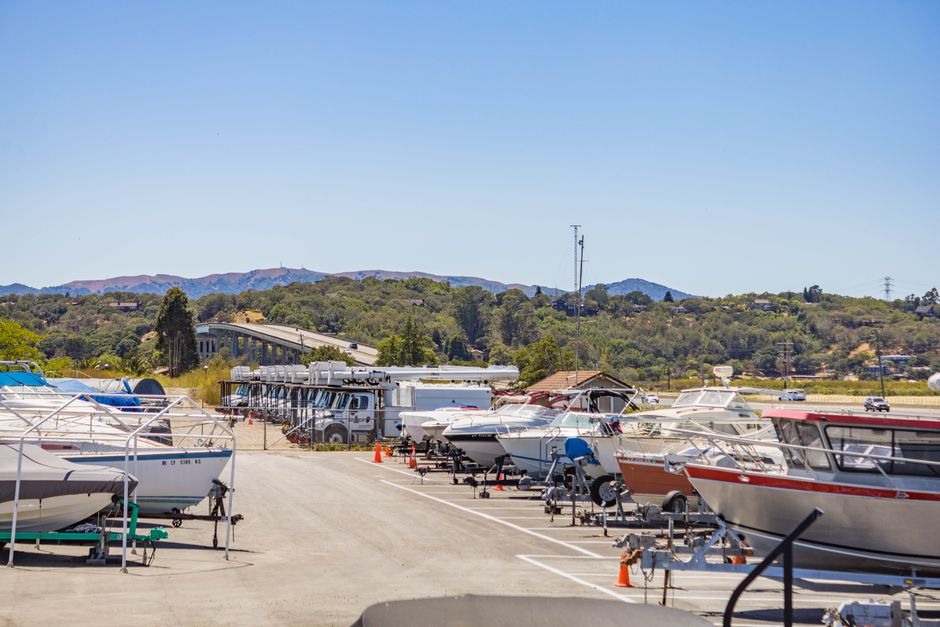
Covered storage is the gold standard for long-term protection. It keeps UV rays from degrading your roof sealant and protects your rig from heavy snow loads. If you are looking at self-storage facilities, inspect them for security features like perimeter fencing and surveillance before committing your valuable rig.
Tire Care During Storage
Your tires are under immense pressure even when parked. To prevent flat spots, inflate tires to the manufacturer's maximum recommended pressure. Using tire covers is essential to protect the rubber sidewalls from ozone damage and dry rotting during months of inactivity.
Practical Planning for Your Next Trip
Whether you are parking for a few weeks or the entire winter, choosing a reliable location matters. Many RVers find peace of mind keeping their units at established parks like [Sunny Meadow RV Resort](/park/sunny-meadow-rv-resort) or [Pine Cone Campground](/park/pine-cone-campground). These locations often provide better infrastructure for long-term parking compared to unmonitored self-storage units.