



Winterization Basics: To Pink or Not to Pink?
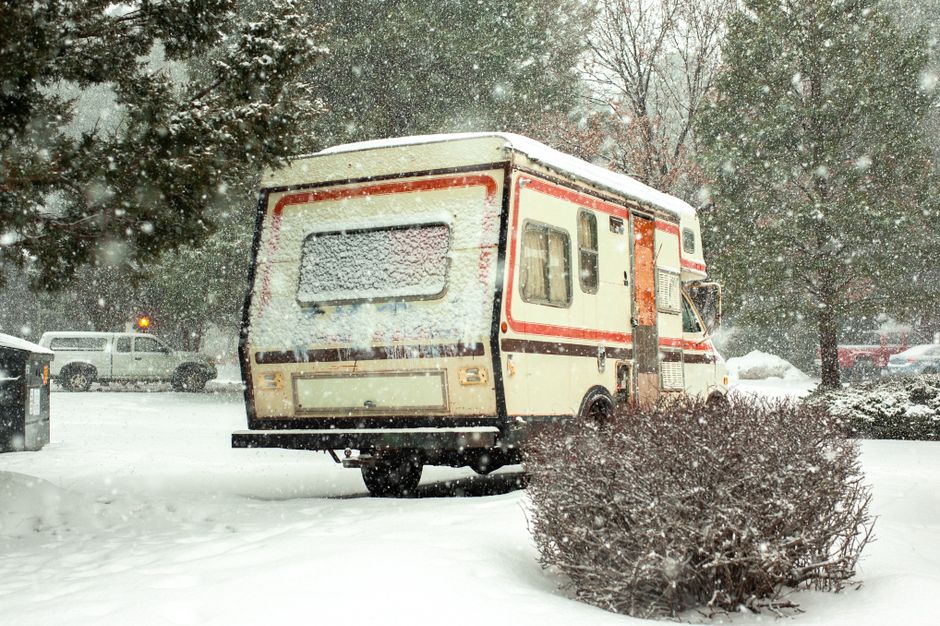
If you live in a region that experiences freezing temperatures, complete winterization is not optional—it is a necessity. Leaving water in your lines will cause pipes to burst, leading to expensive repairs come spring.
For most travel trailers and fifth wheels, you will need approximately 2 to 3 gallons of RV-specific antifreeze. Always bypass your water heater before pumping the 'pink stuff' through your system to avoid wasting gallons of product.
Tires and Exterior Storage
Keeping Tires Protected
Extended storage can take a toll on rubber. If possible, park your RV on a concrete or gravel pad rather than dirt to prevent moisture buildup. Use tire covers to block UV rays and consider using leveling jacks to take the weight off the suspension if you are parked for more than three months.
Is Heating Under the Trailer a Good Idea?
Using a space heater underneath a trailer is generally discouraged due to fire risks. Instead, focus on sealing the interior and keeping the unit ventilated. If you are worried about extreme temperatures, look into heated storage buildings, which are the gold standard for long-term protection.
Planning Your Storage Strategy
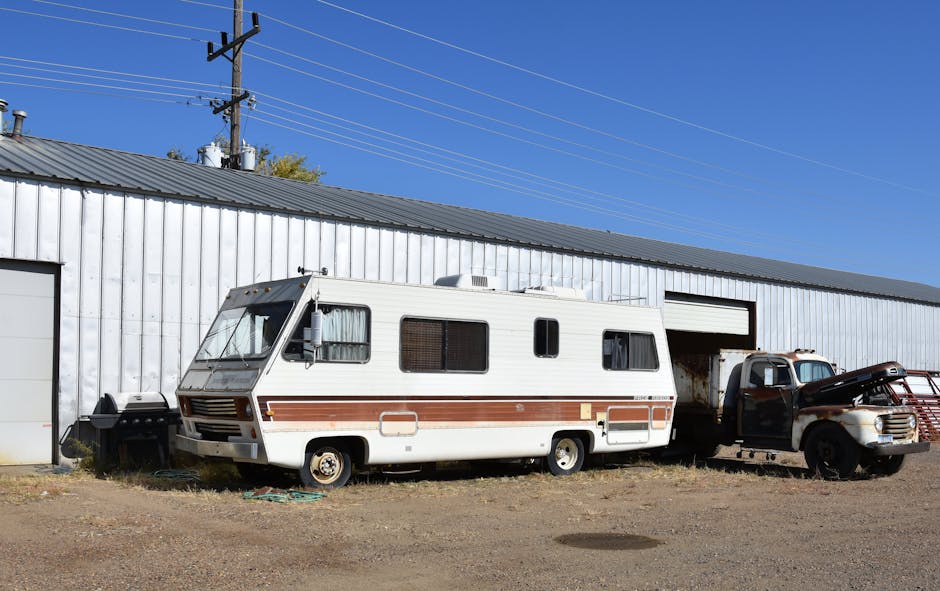
When choosing between outdoor, covered, or climate-controlled storage, weigh the cost against your local climate. If you live in an area prone to heavy snowfall, a covered building protects your roof seals from ice dams and heavy loads.
If you are looking for secure places to store your rig between trips, we recommend checking out options like [Hidden Lake RV Resort](/park/hidden-lake-rv-resort) or [Riverside RV Park](/park/riverside-rv-park). These facilities often offer the level ground and security that are vital for long-term winter storage.