



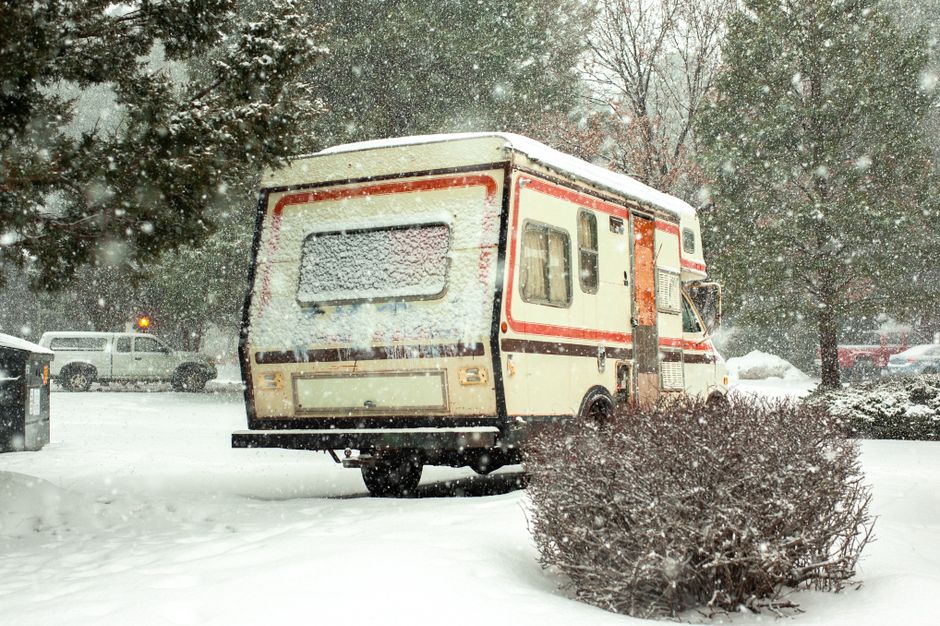
To Winterize or Not? The Great Debate
Many first-time owners wonder if complete winterizing is truly necessary. If your rig lives in an area where temperatures drop below freezing, the answer is a resounding yes. Water left in your lines will freeze, expand, and inevitably crack your pipes or fixtures.
For those asking about heating under the trailer: while a space heater might sound like a quick fix, it is generally discouraged for long-term storage due to fire risks and high energy consumption. Relying on professional winterization with RV-grade antifreeze is the gold standard for protecting your investment.
Plumbing, Tires, and Storage Logistics
How Much Pink Stuff Do I Need?
A common question is how much RV antifreeze you need. Generally, two to three gallons are sufficient for most travel trailers to clear the lines and P-traps. Always use non-toxic, RV-specific antifreeze—never automotive coolant.
Tire Care During Storage
Tires are prone to flat spots and UV degradation during long periods of sitting. Inflate your tires to the maximum recommended pressure on the sidewall before storage. If possible, use tire covers to block out sun exposure and keep the wheels off the dirt by using leveling pads or blocks.
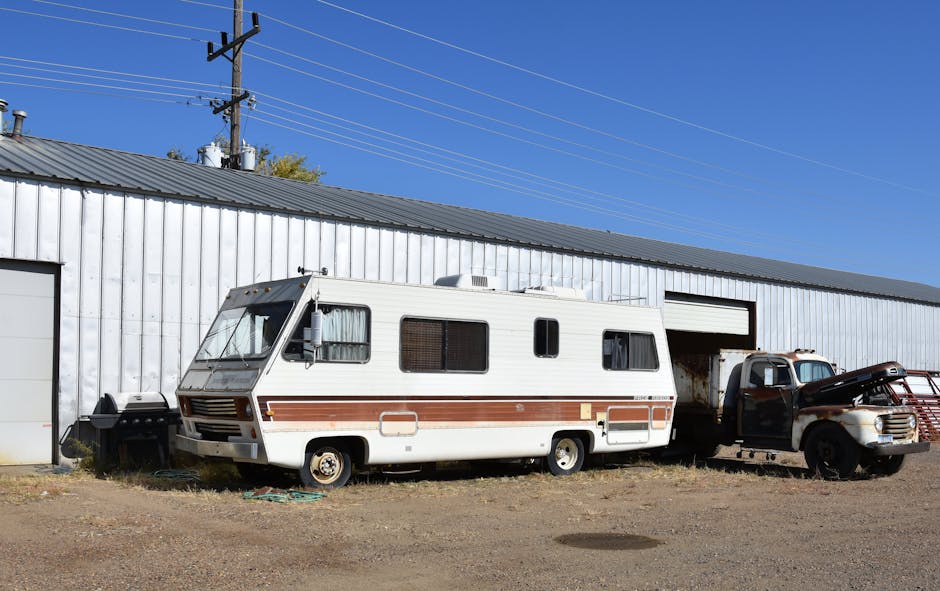
Choosing the Right Environment
Not all storage is created equal. Covered storage is highly recommended to protect your roof seals from snow accumulation and ice dams. If you are looking for a reliable home base, consider facilities like [Mountain View RV Park](/park/mountain-view-rv-park) for their high-quality maintenance standards, or enjoy a final pre-winter trip to [Lakeside Retreat](/park/lakeside-retreat) to clear out the pantry before you tuck the rig away.
Whether you choose indoor, covered, or open-lot storage, ensure your motorhome or trailer is level. This allows moisture to drain away from vents and prevents pooling water on the roof, which is the fastest path to costly leaks.