



To Winterize or Not: The Essential Debate
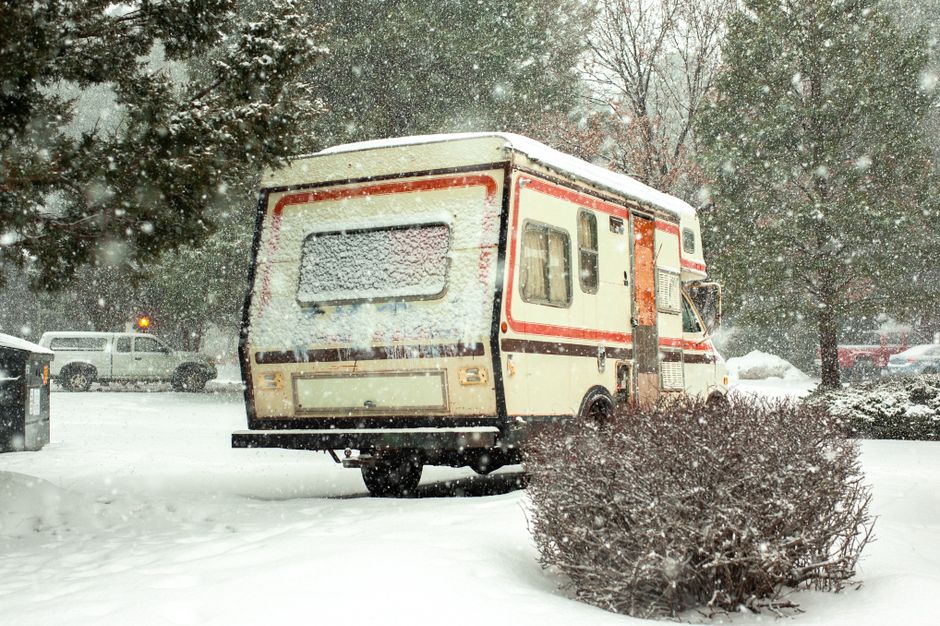
If you live in an area where temperatures drop below freezing, complete winterizing is not optional—it is a necessity. Even a minor early freeze can burst pipes and crack water heaters, leading to expensive repairs come spring.
Many first-timers ask how much "pink stuff" (RV antifreeze) they need. Generally, two to three gallons is enough for a standard travel trailer, but always bypass your water heater to avoid wasting product. If you are keeping your rig at a climate-controlled facility like a property with a 1,000-square-foot shop, you might think you are safe, but it is better to drain lines as a safety precaution.
Protecting Your RV Tires and Exterior
Your tires take a beating in storage. When sitting idle, UV rays and weight pressure cause premature sidewall cracking. Keep tires inflated to the recommended PSI, and if possible, use tire covers to shield them from the sun. Moving the RV slightly once a month can also help prevent flat spots from forming on the tread.
Is Heating Under the Trailer a Good Idea?
While some suggest using space heaters or heat lamps under the trailer, this is generally risky. It presents a fire hazard and rarely provides consistent heat distribution. Instead, focus on sealing gaps and ensuring your plumbing system is fully evacuated. If you are worried about extreme cold, opt for professional indoor storage or a high-quality RV cover.
Finding the Right Winter Sanctuary
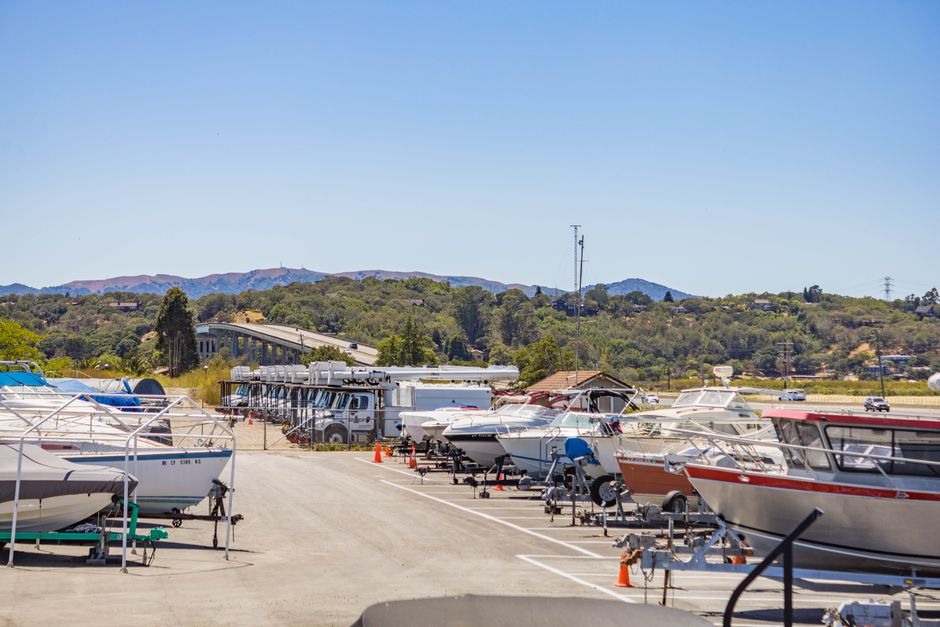
Whether you are looking for covered storage to protect against snow load or a secure lot for your motorhome, location matters. Choosing a facility with easy access ensures you can get to your rig quickly if a surprise maintenance issue arises. Always prioritize facilities that offer added security features to keep your investment safe throughout the off-season.