


First-Time Winterizing: Protecting Your Plumbing
Stepping into your first winterization project can feel overwhelming, especially when trying to calculate how much antifreeze you actually need. Generally, a standard travel trailer requires about two to three gallons of RV pink antifreeze to thoroughly flush out the lines after blowing them out with compressed air. Always bypass your water heater first to avoid wasting expensive antifreeze trying to fill that massive tank.
If an early freeze warning hits your area unexpectedly and you are caught unprepared, quick action is required. Disconnect all external hoses, open low-point drains, and turn on the onboard 12V water pump for just a few seconds to clear out residual moisture. When complete winterization isn't strictly necessary due to exceptionally mild regional climates, you can sometimes get away with running holding tank heating pads and keeping cabinet doors open. However, prolonged sub-freezing nights always demand full antifreeze protection.
Tire Care and Ground Protection During Storage
Tires during storage
Your RV tires bear the heavy brunt of static weight and shifting seasonal temperatures while parked. To prevent premature sidewall cracking and flat spots, inflate your tires to the maximum PSI recommended on the sidewall before parking for the long haul. If possible, park on level concrete or wood blocks rather than direct mud or grass to limit moisture absorption.
- Use opaque tire covers to block damaging UV rays from degrading the rubber compound.
- Consider using leveling ramps or plastic jack pads to distribute the motorhome's weight evenly.
- Check tire pressure monthly throughout the storage season, even when the rig isn't moving.
Heating Under the Trailer and Storage Options
Heating under trailer in winter
Many campers wonder if heating under the trailer in winter is a smart idea to keep holding tanks from freezing. While placing a small, certified cage heater or skirted insulation around your underbelly can work in milder climates, it introduces a significant fire hazard and drains propane or electricity rapidly. Skirting your RV with heavy-duty vinyl paired with a safe radiant heat source is a far more reliable method if you plan on living in the rig.
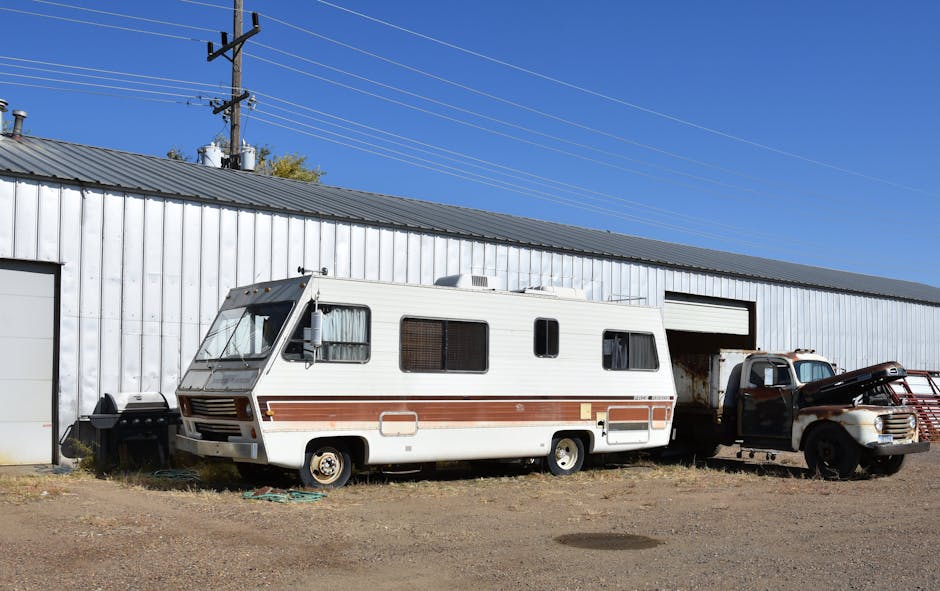
When deciding between open lots and covered storage, always weigh your local weather patterns. Motorhome storage in fully enclosed or covered structures prevents snow accumulation, reduces roof seal degradation, and protects fiberglass from relentless UV fading. If you are looking to completely escape freezing temperatures and enjoy a winter getaway instead of storing your rig, consider heading south to a warmer destination like Deer Springs RV Park for an unforgettable sun-soaked seasonal retreat.