




Navigating Your First Time Winterizing
Winterizing your RV can feel daunting if you have never done it before, but taking the time to properly flush your system will save you thousands in plumbing repairs. A common question among beginners is: how much pink stuff do I actually need? For most standard travel trailers and motorhomes, buying a three-to-four gallon pack of non-toxic RV antifreeze is usually the sweet spot to ensure all lines and P-traps are fully protected.
If you live in an area prone to sudden temperature drops and face an early freeze warning tonight, do not wait for a complete deep winterization if you are short on time. At a minimum, drain your low-point drains, blow out the lines with compressed air, and pour antifreeze down every drain trap to prevent costly burst pipes.
Is Complete Winterizing Always Necessary?
Whether you need to fully winterize depends heavily on your geographic location and how you plan to use your rig. If you are staying in campgrounds for the winter months in a mild climate, you may only need occasional skirting and supplemental heat. However, if freezing temperatures are guaranteed in your region, a complete winterization is non-negotiable to protect your investment.
Choosing the Right Storage Method: Covered, Open, or Transport
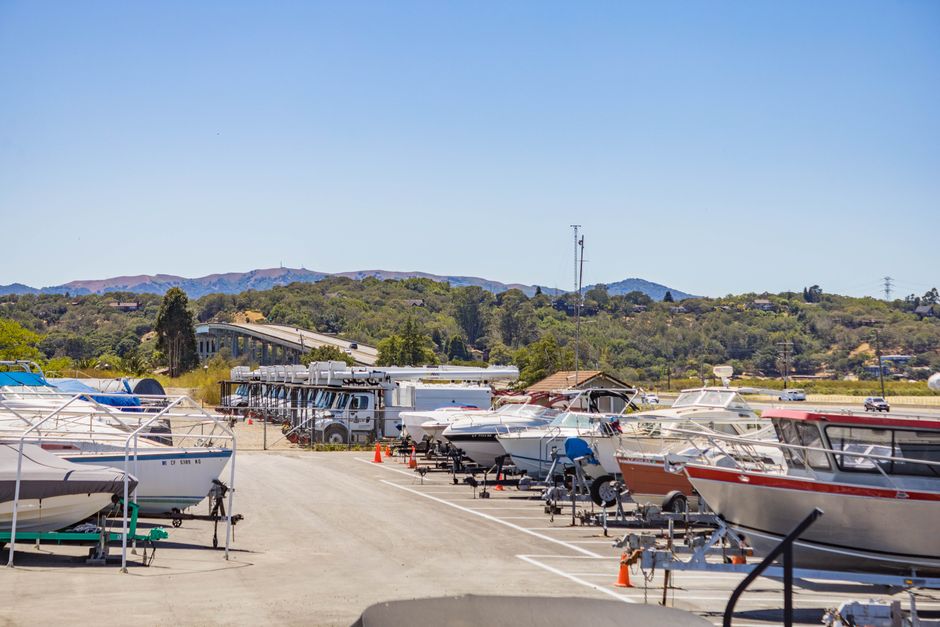
When it comes to motorhome storage and travel trailer placement, protection from the elements is key. Covered storage protects your rubber roof from harsh UV rays, heavy snow loads, and falling debris, significantly extending the lifespan of your exterior seals and decals.
If you need transport storage ideas, consider looking into secure facilities a bit further outside major metro areas to save on monthly storage fees. Always ensure the facility allows easy access if you need to perform routine battery checks or maintenance throughout the winter season.
Tire Care and Heating Under the Trailer
Your tires bear the brunt of weight and weather degradation during storage. Inflate your tires to the maximum recommended pressure before parking, and use tire covers to block UV rays. If possible, park on blocks, wood planks, or level pads rather than bare ground or mud to prevent moisture absorption and premature dry rotting.
Many campers wonder if heating under the trailer in winter is a good idea. While using a skirt paired with a safe, low-wattage underbelly heater can keep your tanks from freezing if you are actively camping in cold weather, it requires careful monitoring and proper ventilation to avoid fire hazards. For long-term storage, completely draining the water systems is always safer than relying on continuous space heaters.