




Navigating Winter Storage: To Winterize or Not?
When temperatures drop, every RVer faces the inevitable dilemma of winter storage. Whether you are dealing with an early freeze warning tonight or planning long-term storage, understanding your rig's vulnerabilities is crucial. Many owners debate whether complete winterizing is entirely necessary, especially if they live in milder climates or plan occasional winter trips.
The golden rule is simple: if freezing temperatures are heading your way, water systems must be protected. A single night of hard freeze can crack water lines, pumps, and water heaters, leading to costly spring repairs. Even if you choose to keep your trailer heated, relying solely on under-trailer heating skirts disaster if a power outage occurs.
Essential Winterization: Fluids and Pink Stuff
First-time winterizers often wonder: how much pink stuff do I need? Generally, two to three gallons of non-toxic RV antifreeze is enough for a standard travel trailer, though larger motorhomes may require four or more. The goal is to displace all potable water in your lines completely.
- Drain your fresh water, grey, and black tanks completely.
- Bypass your water heater to avoid wasting gallons of antifreeze filling the tank.
- Use a water pump converter kit to siphon RV antifreeze directly into the plumbing lines.
- Open every hot and cold faucet one by one until you see clear pink fluid flowing steadily.
- Pour a cup of antifreeze down each drain to protect the P-traps.
Protecting Tires, Batteries, and Exterior
Leaving your motorhome or trailer sitting in one spot all winter puts massive stress on your tires and suspension. Flat-spotting and UV sidewall degradation are major threats during storage. Inflate your tires to the maximum PSI recommended on the sidewall before parking, and consider using tire covers if your storage spot is exposed to the sun.
Batteries are another casualty of neglect. Cold temperatures will drain and ruin a lead-acid battery if it is left connected. Always disconnect your batteries and store them in a temperature-controlled environment, or hook them up to a smart trickle charger to maintain health throughout the off-season.
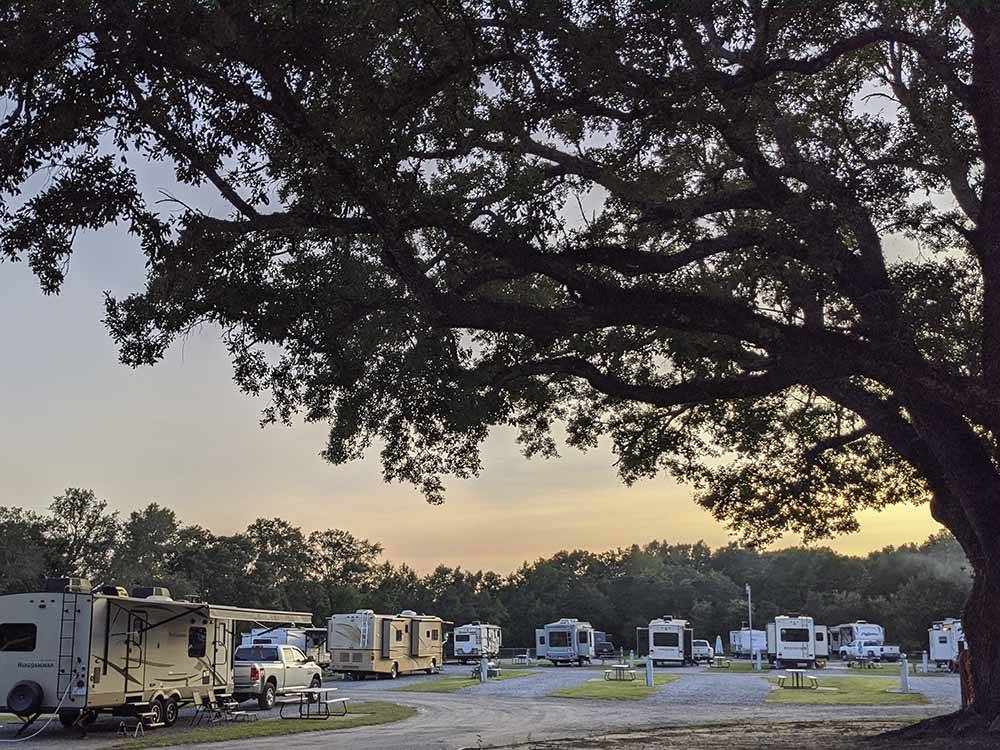
If you are storing your rig in warmer coastal regions like Florida, mildew and humidity become primary concerns. Facilities such as Pensacola RV Park offer fantastic staging grounds and secure environments where you can safely prep your rig. For those seeking coastal amenities combined with secure winter setups, check out Pensacola Beach RV Resort to see how they manage winter travelers.

Choosing Between Open, Covered, and Indoor Storage
When sorting through transport storage ideas, you will find three main categories: open-air lots, covered carports, and fully enclosed indoor storage. While open lots are the most budget-friendly, covered storage provides invaluable protection against harsh UV rays, hail, falling tree limbs, and winter ice storms.
If budget permits, enclosed storage is the ultimate gold standard. It keeps your roof seals, slide-out awnings, and exterior decals shielded from fluctuating weather patterns, drastically reducing annual maintenance costs. No matter which option you choose, always lock all storage bays, use a heavy-duty hitch lock, and ensure your insurance policy covers comprehensive storage risks.