



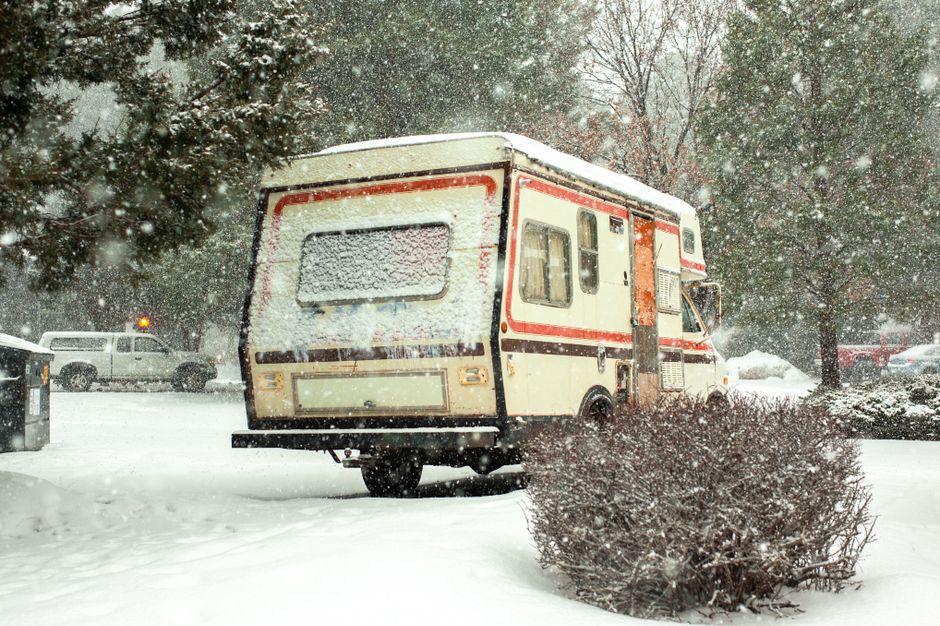
Navigating RV Winter Storage: To Winterize or Head South?
As freezing temperatures sweep across the country, RV owners face the perennial question: should you fully winterize your rig, or pack up and chase the sun down south? Recent discussions across the RV community highlight debates over early freeze warnings, whether complete winterizing is truly necessary in milder zones, and how to properly manage storage spots when transitioning between seasons.
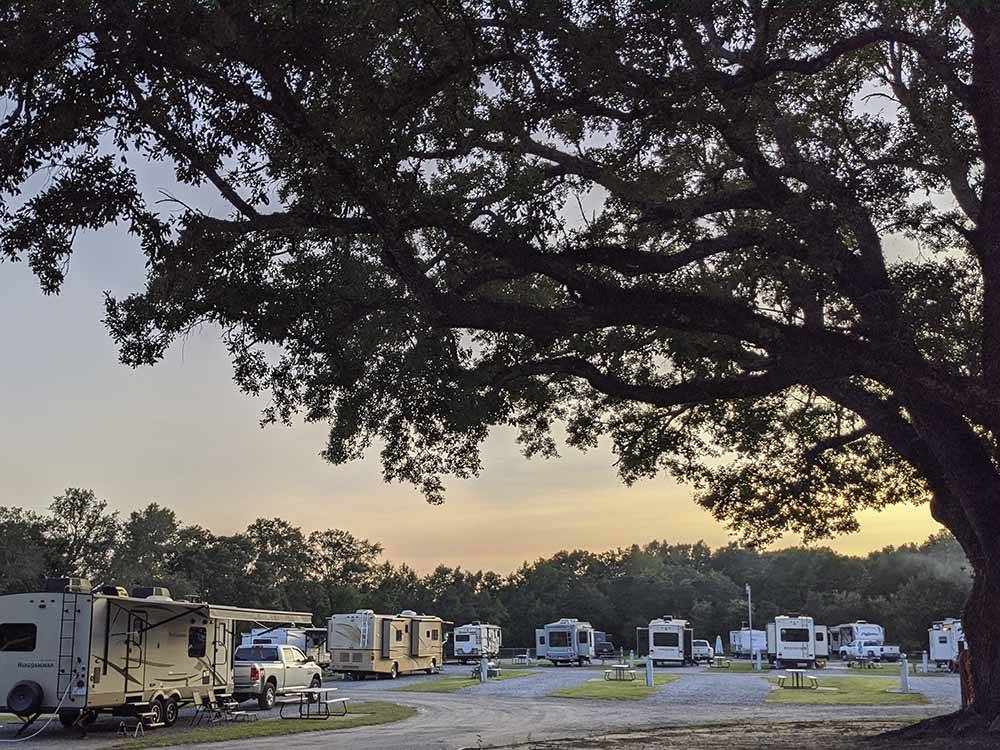
If you live in a region prone to hard freezes, ignoring your plumbing or neglecting tire care can result in thousands of dollars in damages. On the other hand, thousands of RVers opt to become snowbirds, migrating to warmer climates like the Florida Panhandle. If you are looking to escape the freezing northern labor rates for service and want a mild winter escape, heading down to spots like Pensacola RV Park can save you both stress and shivering.
Essential Winterization & Plumbing Strategies
First-time winterizers often panic about how much pink antifreeze they actually need. As a general rule of thumb, two to three gallons of RV antifreeze are usually sufficient for standard travel trailers and smaller motorhomes, while larger rigs with multiple bathrooms, washing machines, and residential refrigerators may require four to six gallons.
A common debate among campers facing sudden sub-freezing nights is whether heating under the trailer or skirt insulation is a good substitute for full winterization. While skirting helps immensely if you are living in the RV during winter, relying solely on small space heaters or incandescent light bulbs beneath your chassis during a deep freeze is a risky gamble. A single power outage can lead to burst PEX pipes.
- Drain all low-point drains and your fresh water holding tank completely.
- Bypass your water heater before pumping pink antifreeze through the lines.
- Open every hot and cold faucet—including the shower and outdoor kitchen—until pink fluid runs steadily.
- Pour a cup of antifreeze down every drain trap to protect the P-traps.
Tire Care, Covered Storage, and Protection Tips
Leaving your motorhome or travel trailer sitting idle for months on end takes a heavy toll on tires. Rubber degrades rapidly when exposed to prolonged UV rays, rain, and freezing moisture, while flat spots can develop from standing in one position too long. If you are storing your rig outdoors, invest in breathable tire covers to block out harsh sunlight.
Whenever possible, opt for covered storage to shield your roof membranes, seals, and slide-out awnings from ice dams and heavy snow loads. If you are migrating south for the winter season, you can bypass outdoor storage headaches entirely by booking a long-term site at scenic destinations like Pensacola Beach RV Resort or Military Park Oak Grove Park (Pensacola NAS).
