




Navigating RV Winter Storage: What Every Owner Needs to Know
Whether you are parking your rig for an early freeze warning or heading south for milder climates, proper winter storage is essential to protect your investment. From debating whether complete winterization is necessary to figuring out if heating under your trailer is a safe bet, the off-season brings plenty of questions for RVers.
If you are storing your rig in milder southern regions like the Florida Panhandle, you might wonder if full winterization is truly mandatory. Even in spots near Pensacola RV Park, unexpected overnight freezes can crack exposed PEX piping and destroy expensive water heater tanks if residual water is left sitting in the lines.
The Pink Antifreeze Mystery: How Much Do You Really Need?
A classic dilemma for first-time winterizers—and even seasoned veterans—is calculating how much pink RV antifreeze is actually required to fill the system. A common pitfall involves blowing out lines or using a standard amount like 1.5 gallons, only to find that turning on the kitchen sink, bathroom faucets, or outside shower yields no pink flow at all.
To prevent incomplete winterization, follow these proven steps:
- Always ensure your water heater is completely bypassed using the onboard valves before pumping any antifreeze.
- Drain all low-point water lines thoroughly and leave the valves open initially to clear out pooling water.
- Check your water pump converter siphon hose and make sure you have at least 3 to 4 gallons of RV-friendly propylene glycol on hand. It always takes more than you think to fill long runs of PEX pipe.
- Work your way systematically from the plumbing fixture closest to the water pump all the way to the furthest fixture, letting it run until a steady, vibrant pink stream flows out.
Protecting Tires, Batteries, and Exteriors in Storage
Your tires take a massive beating when sitting static for months on end under heavy loads. Flat-spotting, dry rot from UV exposure, and slow pressure loss are major hazards during winter storage.
Keep these tire and exterior care tips in mind:
- Inflate your tires to the maximum recommended cold pressure before parking to combat natural air loss over the winter months.
- Use opaque tire covers to shield rubber sidewalls from damaging UV rays if your storage spot lacks a covered roof canopy.
- Disconnect your 12V house batteries and store them in a climate-controlled environment on a smart trickle charger to prevent dead cells by spring.
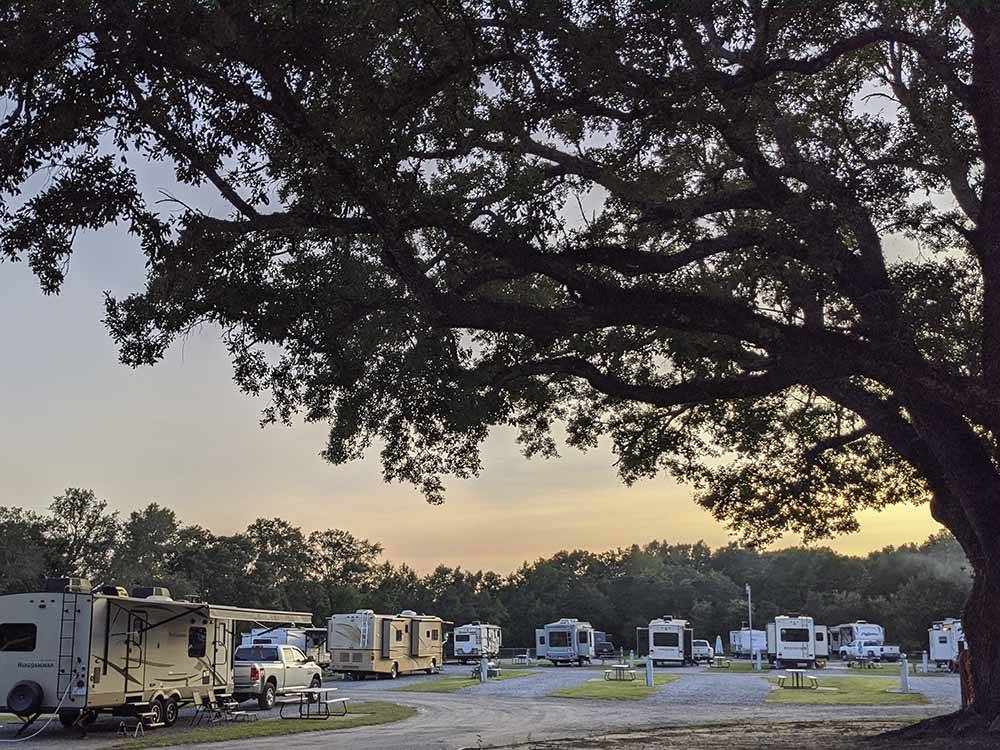
- Consider upgrading to Pensacola Beach RV Resort or Military Park Oak Grove Park (Pensacola NAS) if you decide to enjoy mild winter camping rather than storing your rig entirely.

Choosing the Right Storage Facility
Changing storage spots can be stressful, especially if you are transitioning from an open-air gravel lot to a secure covered storage facility. Covered storage protects your rubber roof from harsh ice, falling debris, and intense sun, drastically extending the lifespan of your RV sealants.
When shopping for a winter storage lot, verify gate access hours, perimeter security fencing, and whether electrical hookups are available for maintaining battery health. Taking time now to winterize correctly ensures you can hit the open road as soon as the spring thaw arrives.