


To Winterize or Not? Understanding the Risks
Every autumn, the debate sparks across campgrounds and forums: is complete winterization actually necessary? The short answer depends entirely on your local climate and whether your RV will remain heated.
If temperatures drop below freezing for even a few hours, any residual water in your plumbing lines can expand and crack expensive pipes, fittings, and water pumps. Skipping winterization only works if you plan to keep the interior climate-controlled and heated continuously—a risky strategy if power fails.
Mastering the Plumbing: How Much Pink Stuff Do You Need?
First-time winterizers often stress over the exact amount of RV antifreeze required to protect their fresh and gray water systems. On average, most standard travel trailers and motorhomes require between 2 to 3 gallons of non-toxic RV antifreeze.
- Drain your fresh water tank, gray tank, and black tank completely, then open all low-point drains.
- Bypass your water heater using the built-in valve kit to avoid wasting gallons of pink stuff filling up the tank.
- Use a water pump converter kit or siphon tube to pump RV antifreeze directly from the bottle into your plumbing lines.
- Open each hot and cold faucet individually until you see a steady stream of pink fluid, remembering to flush the toilet and run the shower.
Protecting Tires and Choosing the Right Storage Spot
Tires take a severe beating when parked in one spot for months, especially when exposed to freezing ground temperatures and harsh UV rays. Always inflate your tires to their maximum recommended PSI before storing, and use tire covers to block out damaging sunlight.
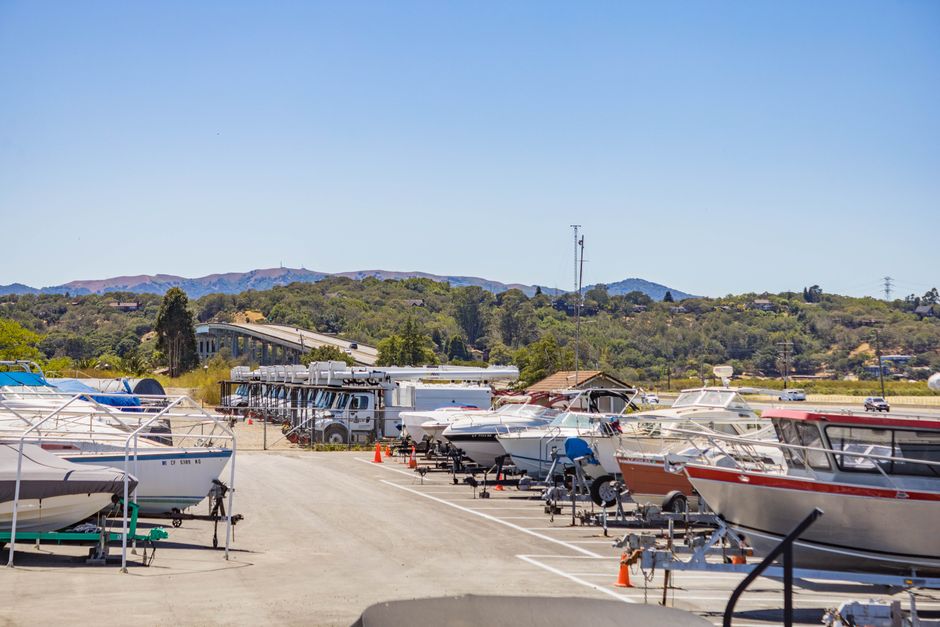
When evaluating where to keep your rig, weigh the pros and cons of open-air lots versus covered storage. While covered storage protects your rubber roof from snow loads, ice dams, and heavy debris, choosing a secure facility with easy winter access ensures you can check on your motorhome or travel trailer periodically throughout the off-season.