




First-Time Winterizing: Fluids and Freezes
When an early freeze warning hits your local forecast, panic can set in quickly. Proper winterization is the single most important step in preventing catastrophic plumbing damage during sub-freezing months.
First-timers often wonder: how much pink RV antifreeze do I actually need? Generally, standard travel trailers and motorhomes require about two to three gallons of propylene glycol antifreeze to thoroughly protect the lines, traps, and holding tanks.
- Drain your fresh water tank, gray tank, and black tank completely.
- Bypass your water heater to avoid wasting expensive antifreeze filling the tank.
- Use a water pump converter siphon kit to pump the pink stuff directly from the bottle through every faucet.
- Don't forget to pour a cup of antifreeze into each sink drain and the shower trap.
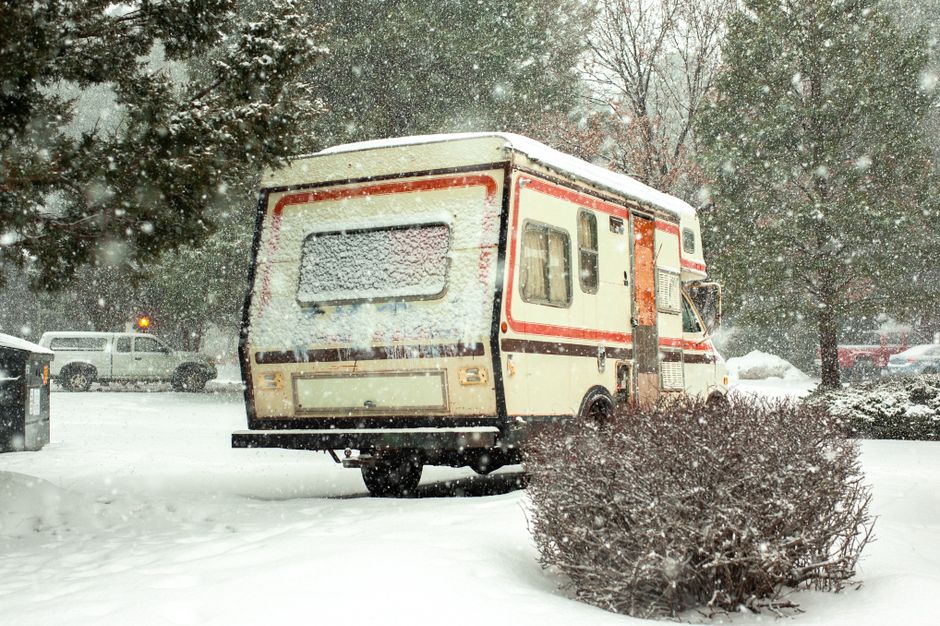
Tire Care and Storage Spot Management
Leaving your RV sitting in one spot all winter can lead to severe flat-spotting and premature tire degradation. Whether you are changing storage spots or keeping your rig parked, your rubber needs attention.
Inflate your tires to the maximum PSI recommended on the sidewall before parking for the long term. Consider using tire covers to protect the rubber from UV degradation, and place rubber mats or wood boards beneath the tires to prevent moisture absorption from the ground.
Covered Storage vs. Outdoor Parking
If budget permits, transitioning to covered storage or indoor facility parking is a game-changer. Covered storage protects your rubber roof, decals, and seals from heavy snow loads, ice accumulation, and harsh winter sun rays, significantly extending the lifespan of your investment.
Heating Under the Trailer: Is It a Good Idea?
If you plan on living in your RV or visiting it during freezing weather, you might consider placing a heater under the trailer to keep underbelly pipes from freezing. While skirting your RV and using a low-wattage radiant or ceramic space heater in the underbelly can work, safety is paramount.
Never use unvented propane heaters or overloaded extension cords in enclosed or skirted spaces beneath an RV, as this presents a severe fire and carbon monoxide hazard. Always ensure proper ventilation and use thermostatically controlled, certified electric devices designed explicitly for freeze prevention.
For many owners, moving the rig to winter-friendly campgrounds with mild regional climates or indoor storage facilities is a much safer alternative to braving a bitter freeze in an unprepared vehicle.