




Mastering the Winterization Process
When freezing temperatures threaten your travels, proper winterization is your first line of defense. Many first-time owners wonder how much pink antifreeze they need; typically, two to three gallons of RV non-toxic antifreeze is enough for a standard travel trailer once the lines are thoroughly blown out with compressed air.
Complete winterization is not optional if your storage area experiences sustained sub-freezing temperatures. Leaving water in your PEX lines, pump, or water heater can lead to catastrophic cracking and expensive spring repairs.
- Drain your fresh water, gray, and black tanks completely.
- Bypass your water heater to avoid wasting gallons of expensive antifreeze.
- Blow out the plumbing lines using an air compressor adapter set to no more than 30-40 PSI.
- Pump pink RV antifreeze through every faucet, shower, and toilet until it runs clear.
Battling the Cold: Batteries, Heating, and Chassis Concerns
Modern rigs, especially newer models like the 2025 Revel, come with advanced electrical systems that require specialized chassis battery management. Leaving lithium or AGM batteries connected during a deep freeze can permanently damage them. Disconnect your batteries or hook them up to a smart trickle charger in a temperature-controlled environment.
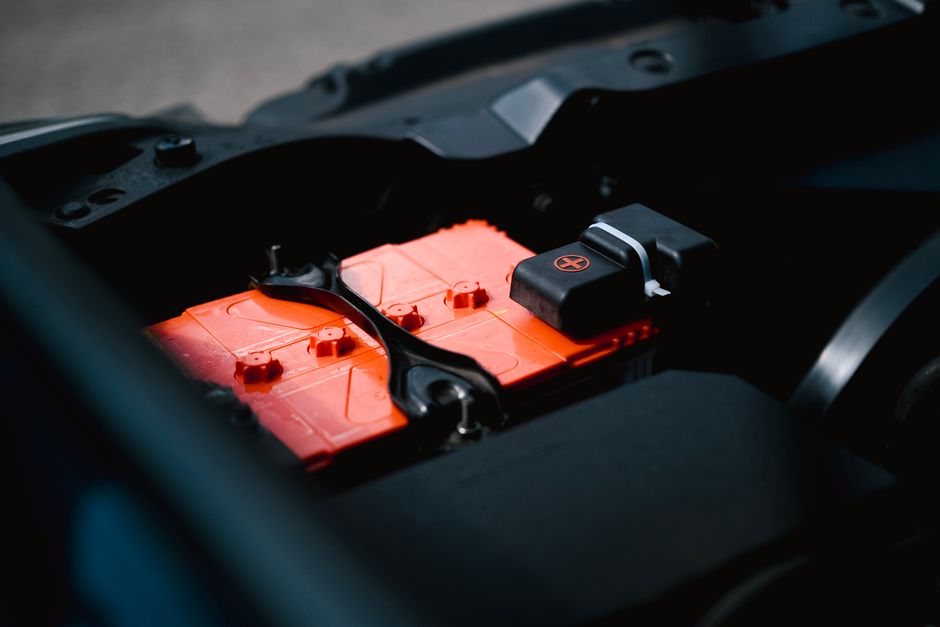
You might be tempted to use external heating under your trailer to keep pipes warm during sudden early freezes. However, using unmonitored space heaters underneath a parked RV creates a severe fire hazard and is generally discouraged by seasoned experts. Instead, rely on proper winterization over temporary heating hacks.
Protecting Tires and Selecting the Best Storage Spot
Tires take a massive beating when parked statically on cold, damp ground all winter. Prevent flat-spotting and UV degradation by inflating tires to their maximum recommended PSI and using heavy-duty vinyl tire covers. Placing rubber mats or wooden blocks underneath each tire also helps insulate them from freezing asphalt or soil.
Whether you choose covered storage, an open-air lot, or transition to a brand-new storage spot, security and accessibility matter. Ensure your cover—if you use one—is breathable to prevent moisture trapping and mold growth. If you plan on taking occasional winter weekend trips to escape the freeze, look into winter-friendly campgrounds that offer full hookups and heated water spigots rather than locking your rig away entirely.