Beating the Freeze: Complete Plumbing Winterization
When an early freeze warning hits, acting fast can save you thousands of dollars in busted pipes and ruined water pumps. Whether you are fully winterizing or wondering if it's even necessary, the golden rule is simple: if temperatures drop below freezing and stay there, water expands and damage will occur.
For first-timers wondering how much antifreeze you need, a standard RV usually requires 2 to 3 gallons of non-toxic RV plumbing antifreeze (the pink stuff) once the lines are completely blown out with compressed air. Bypass your water heater before pumping the fluid through, and don't forget to open every low-point drain and tap—including the outdoor shower and toilet valve.
- Drain the fresh, grey, and black tanks completely.
- Use a blowout plug to clear water lines with compressed air (keep pressure under 30 PSI).
- Pump pink antifreeze through all lines or ensure complete dry-out if you live in a milder climate.
Power, Chassis Batteries, and Modern Rigs
Modern RVs and newer chassis models come with complex electrical systems that demand careful attention during storage. Parasitic draws from smoke detectors, propane detectors, and cellular modules can drain a battery down to a dangerous level in just a few weeks.
If you own a modern rig like a recent model chassis, disconnect the negative battery terminals entirely or use a dedicated smart trickle charger if you have shore power available at your storage spot. Leaving lithium or AGM batteries connected in sub-freezing temperatures without a charge cycle can permanently diminish their capacity.
- Locate both your chassis and house battery disconnect switches.
- Check water levels in lead-acid batteries before storing.
- Invest in a quality maintainer to prevent deep-discharge sulfation.
Tires, Covers, and Choosing the Right Storage Spot
Where and how you park your RV matters just as much as winterizing the plumbing. Tires left sitting on cold, damp ground or exposed to harsh UV rays will develop sidewall cracking much faster. Inflate your tires to maximum PSI before parking, and consider placing rubber mats or wooden blocks underneath them to create a barrier against moisture.
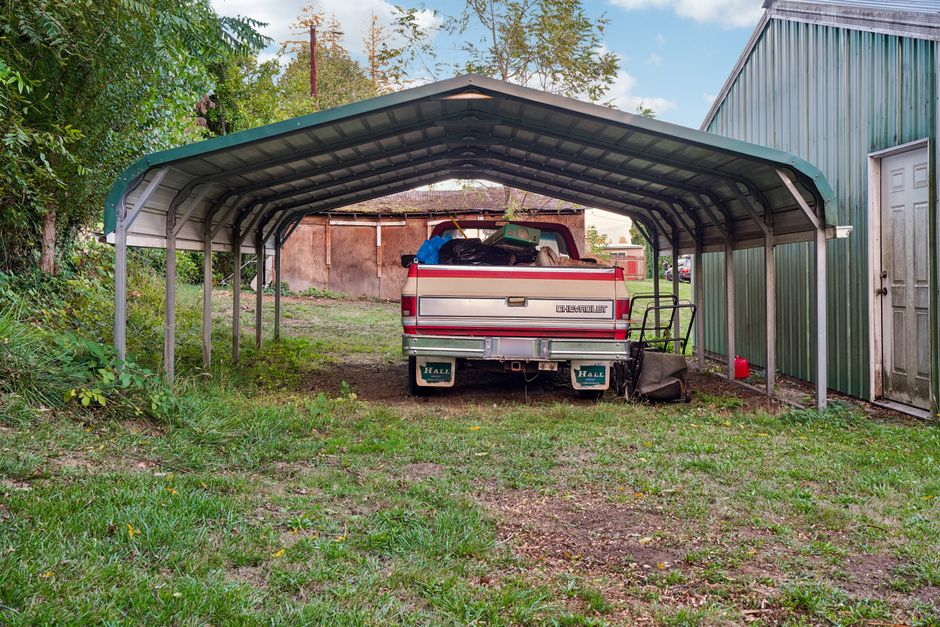
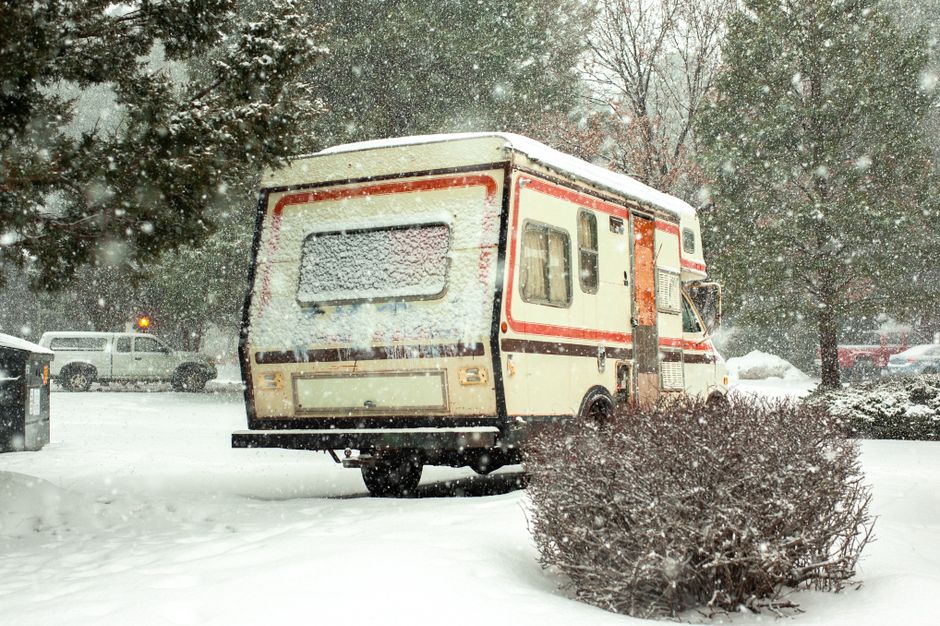
When deciding between covered storage, indoor storage, or an outdoor lot, weigh your budget against the elements in your region. If you use a custom RV cover, ensure it is breathable to prevent moisture trapping and mold growth. Avoid heating underneath a trailer with unsafe space heaters, as this is a major fire hazard; instead, rely on proper skirting only if actively camping in winter.