



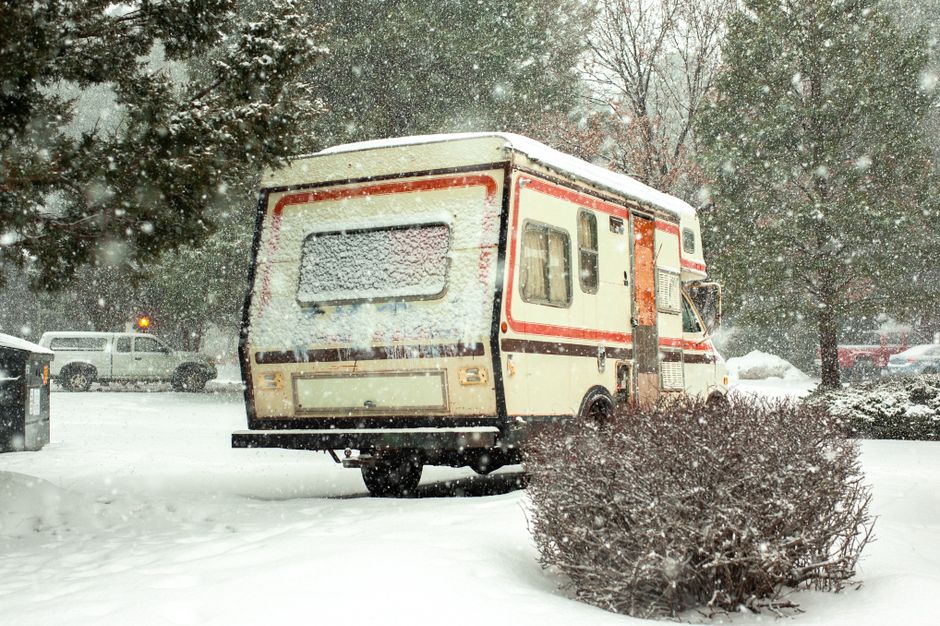
To Winterize or Not? Assessing Your Climate and Needs
When temperatures drop below freezing, your RV becomes a ticking time bomb of expanding ice and cracked plumbing lines. Many first-time owners wonder if complete winterizing is truly necessary, especially if they live in milder southern regions. The short answer is that if your rig experiences even a few hours below 32 degrees Fahrenheit, protecting your water systems is non-negotiable.
Skipping winterization to save time can lead to catastrophic repair bills when spring arrives. However, if you are utilizing heated indoor storage or live in a perpetually warm climate, you might only need basic maintenance rather than a full system blowout. Evaluate your local climate trends and storage conditions before making a final call.
Mastering the Plumbing: How Much Pink Stuff Do You Need?
For first-timers, pumping RV antifreeze through your system can feel intimidating. A common question is: exactly how much pink antifreeze do I need to buy? For most standard travel trailers and motorhomes, you will want to have 2 to 3 gallons of RV-safe propylene glycol antifreeze on hand, especially if you plan to bypass the water heater and fill the traps.
- Drain your fresh water, gray water, and black water tanks completely.
- Drain the water heater and turn its bypass valves to the closed position.
- Use a blowout plug with an air compressor to clear out residual water from the lines at 30-40 PSI.
- Pump the pink RV antifreeze through the system starting from the fixture furthest from the water pump.
- Pour a cup of antifreeze into each sink drain and the shower trap to protect the P-traps.
Tires, Covers, and Heating: Advanced Storage Best Practices
Your tires take a massive beating during long-term storage due to flat-spotting and UV degradation. Make sure to inflate your tires to their maximum recommended pressure and park on rubber mats, wood planks, or level pads to keep them off frozen, damp ground. Using tire covers is also essential to block harmful winter sun.
Another frequent debate among campers is whether to place a heater underneath the trailer during deep freezes. While some owners use low-wattage skirting heaters or trouble lights to keep underbellies warm, this introduces a fire hazard and reliance on uninterrupted shore power. Instead, rely on proper insulation, skirting, and completely dry plumbing lines rather than space heaters.
Finally, choose your storage spot wisely. Whether transitioning from open outdoor lots to covered storage or finding a secure spot near major travel hubs like those on the road to Big Sky and Yellowstone, ensure your roof vents are slightly cracked for ventilation or fitted with max-airflow covers to prevent mold and mildew growth.