



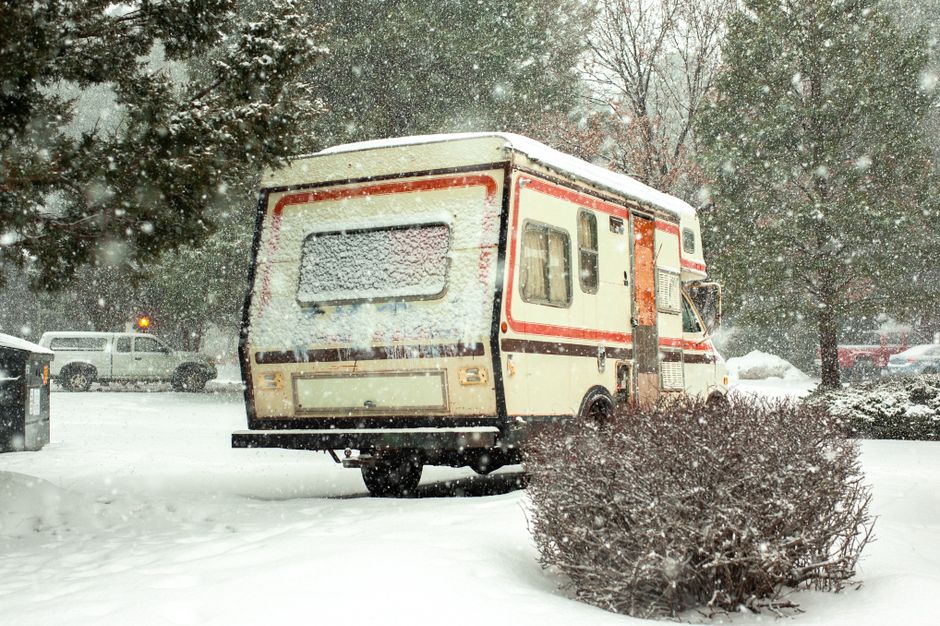
Beat the Freeze: Emergency Winterizing and Plumbing Essentials
An early freeze warning can send shivers down any RVer's spine. When temperatures plummet unexpectedly, water left in your lines can instantly freeze, expand, and crack your plumbing system. Complete winterization isn't just a suggestion for northern climates; it is an absolute necessity if temperatures drop below freezing for more than a few hours.
First-time winterizers often wonder: how much pink stuff do I actually need? For most standard travel trailers and motorhomes, purchasing two to three gallons of non-toxic RV antifreeze is usually enough to clear the lines, with an extra gallon poured down the P-traps for good measure. Always use marine/RV antifreeze, never automotive coolant.
Quick Freeze Response Checklist
- Disconnect city water and drain your fresh water holding tank completely.
- Open all low-point drain lines and activate the water pump briefly to push out remaining moisture.
- Engage your water heater bypass valves to avoid wasting gallons of antifreeze filling the tank.
- Pump the pink antifreeze through every faucet, shower, and toilet until it runs clear.
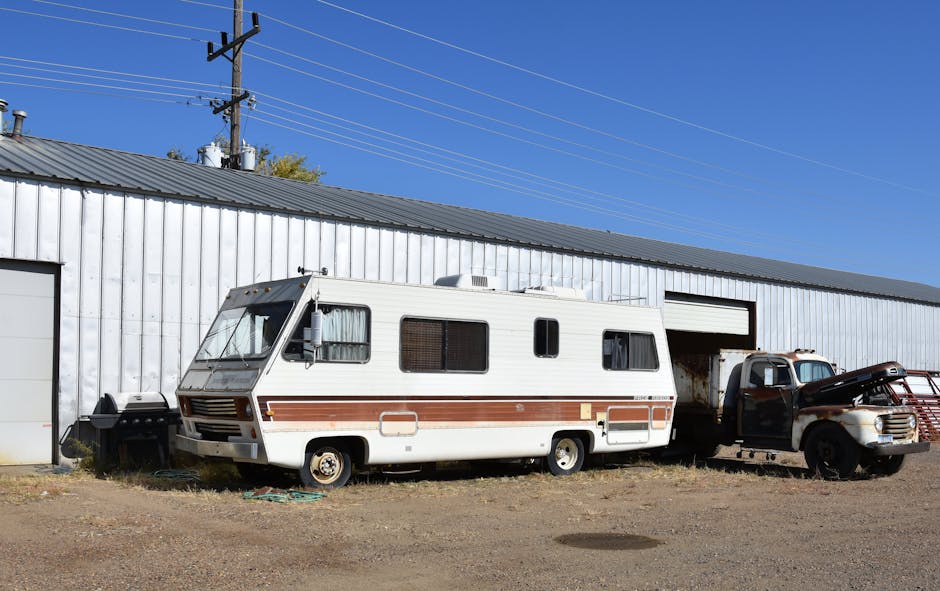
Tires, Heating Myths, and Storage Spot Strategies
Storing your motorhome or travel trailer properly involves more than just draining the pipes. Many owners debate whether heating under the trailer is a good idea during harsh cold snaps. While placing a small, safe space heater underneath can help in mild conditions, relying on heaters unattended introduces serious fire hazards and moisture condensation issues. Proper skirting combined with insulation is far safer and more effective.
Your tires also take a beating when sitting static in freezing weather. Rubber degrades faster when exposed to UV rays, moisture, and ground frost, leading to flat-spotting and dry rot. Combat this by inflating tires to their maximum recommended pressure, using tire covers, and parking on rubber mats or wooden blocks rather than bare mud or concrete.
Evaluating Your Storage Spot
Are you changing storage spots this season? Transitioning from an open gravel lot to covered storage can drastically extend the life of your RV's roof seals and exterior decals. Covered storage protects your investment from heavy snow loads, ice dams, and damaging sun exposure, ultimately saving you thousands in potential leak repairs come springtime.
- Inspect seals and roof caulking before moving into your winter spot.
- Ensure the new storage facility allows battery removal or trickle charging.
- Check security features and insurance requirements of the storage yard.