




Changing Storage Spots and Evaluating Your Options
Deciding where to keep your rig during the off-season is the first major step in proper winter storage. Whether you are transitioning from a driveway to a dedicated facility, evaluating your environment is crucial for preventing weather-related damage.
When looking for a new storage spot, consider security, accessibility for spring, and whether you want open-air or covered protection.
Covered Storage vs. Open-Air Lots
Covered storage is the gold standard for protecting your rubber roof, decals, and exterior seals from UV degradation, heavy snow loads, and falling debris. While open-air storage is generally more budget-friendly, it requires investing in a breathable, high-quality RV cover to shield your asset from the elements.
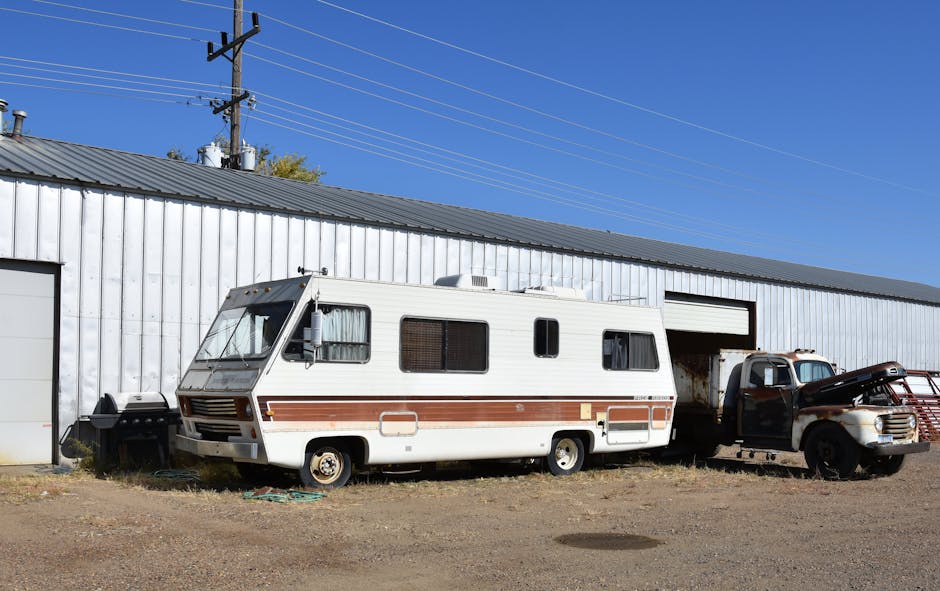
First-Time Winterizing: How Much Pink Stuff Do I Need?
One of the most common questions for first-time winterizers is figuring out exactly how much RV antifreeze (the pink stuff) to buy. You never want to run out halfway through blowing out and filling your plumbing lines.
As a general rule of thumb, budget between 2 to 4 gallons of RV antifreeze for smaller travel trailers, and up to 4 to 6 gallons for larger motorhomes with multiple bathrooms, washing machines, and large water heaters.
- Bypass your water heater before pumping any fluid into the system.
- Drain all low-point water drains and fresh water holding tanks completely.
- Use an air compressor blowout plug to clear out residual moisture from the lines.
- Pump RV antifreeze through every faucet, showerhead, and toilet until you see clear pink liquid running out.
- Pour a cup of antifreeze into every drain P-trap to protect the holding tanks.
Tires and Heating During Winter Storage
Rubber degradation and freezing temperatures are two of the biggest threats to an unattended recreational vehicle. Proper tire care and climate management will save you thousands of dollars in premature replacements and frozen pipe disasters.
Protecting Your Tires
Tires left sitting on cold concrete or wet dirt can crack and degrade rapidly. Inflate your tires to their maximum recommended PSI before storage, and use tire covers to block out damaging UV rays. If possible, park on rubber mats, wood blocks, or plastic levelers to create a barrier against cold ground moisture.
Heating Under the Trailer: Is It a Good Idea?
Many owners wonder if placing a space heater or trouble light under their trailer during a deep freeze is a smart move. Generally, leaving unattended heating elements beneath an RV introduces a significant fire hazard and is discouraged. Instead, rely on proper winterization (blowing out lines and using RV antifreeze) rather than trying to heat the underbelly externally.