



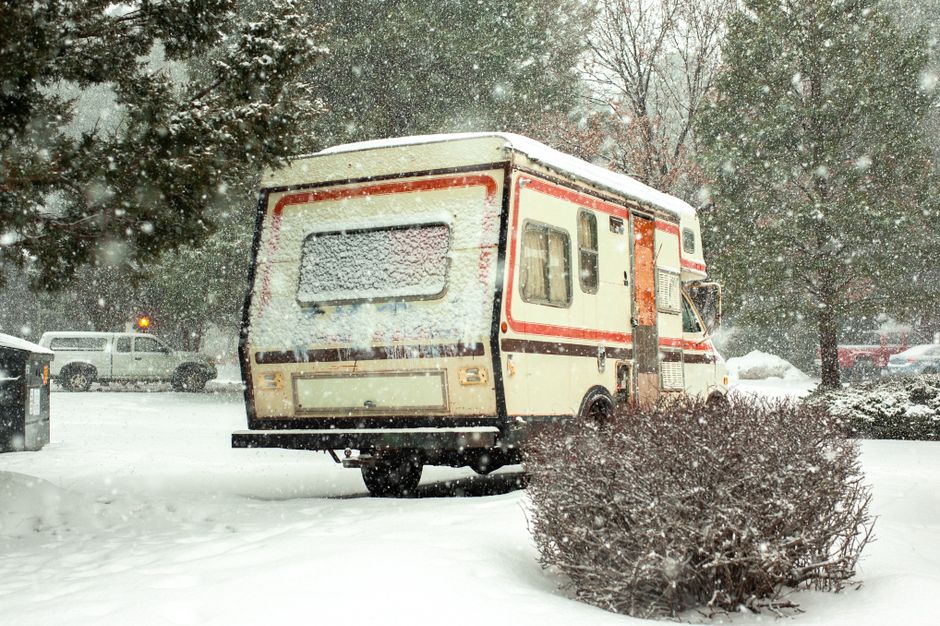
First-Time Winterizing: How Much RV Antifreeze Do You Need?
Winterizing your RV plumbing is the single most important step in preventing catastrophic freeze damage. If you are a first-timer wondering how much pink stuff to buy, the general rule of thumb is to purchase two to three gallons of non-toxic RV antifreeze for smaller trailers, and four to six gallons for larger motorhomes with washing machines and residential refrigerators.
Always bypass your water heater before pumping the antifreeze through the lines to avoid wasting gallons filling up the tank. Make sure to open every single hot and cold faucet—including the outdoor shower, low-point drains, and toilet valve—until you see solid pink liquid flowing out.
- Drain your fresh water, grey water, and black water tanks completely.
- Install the water heater bypass kit to save on antifreeze.
- Drain the water heater and remove the anode rod.
- Pump RV antifreeze using a water pump converter kit or blow out lines with compressed air first.
- Pour an extra cup of pink antifreeze down every P-trap to protect your drain lines.
Tire Care and Storage Bay Maintenance
Storing your motorhome or travel trailer for months at a time puts heavy stress on your tires and exterior compartments. Flat spotting and UV degradation are major concerns if your rig sits idle on cold pavement. Park on level, well-drained gravel or rubber mats rather than bare earth or untreated concrete, and consider using tire covers to block harsh winter sun.
Dealing with Storage Bay Leaks
Many RVers—particularly owners of luxury coaches like the Ventana LE—experience frustrating water collection in front driver-side storage bays during heavy winter rains and snowmelt. This moisture usually stems from compromised compartment seals, unsealed running lights, or wheel well overspray. Inspect your weatherstripping regularly, apply fresh RV-grade silicone sealant where needed, and drop moisture-absorbing desiccant buckets inside the bays to prevent mold growth.
Choosing a Storage Yard and Managing Expectations
Deciding between covered storage, outdoor open-air lots, or keeping your rig at home requires weighing your budget against weather protection. Covered storage prevents snow loads from crushing AC shrouds and protects your roof membrane from damaging ice dams, but it comes at a higher monthly cost.
If you choose a commercial storage yard, always read the fine print in your contract regarding liability and moving policies. It can be startling to return to the yard and find your trailer moved to a different spot without notice, which is a common practice for lot maintenance or snow removal. Ensure your tongue jack, stabilizers, and emergency breakaway switch are locked up securely, and keep a GPS tracker on your rig for total peace of mind.