Motorhome Storage Essentials
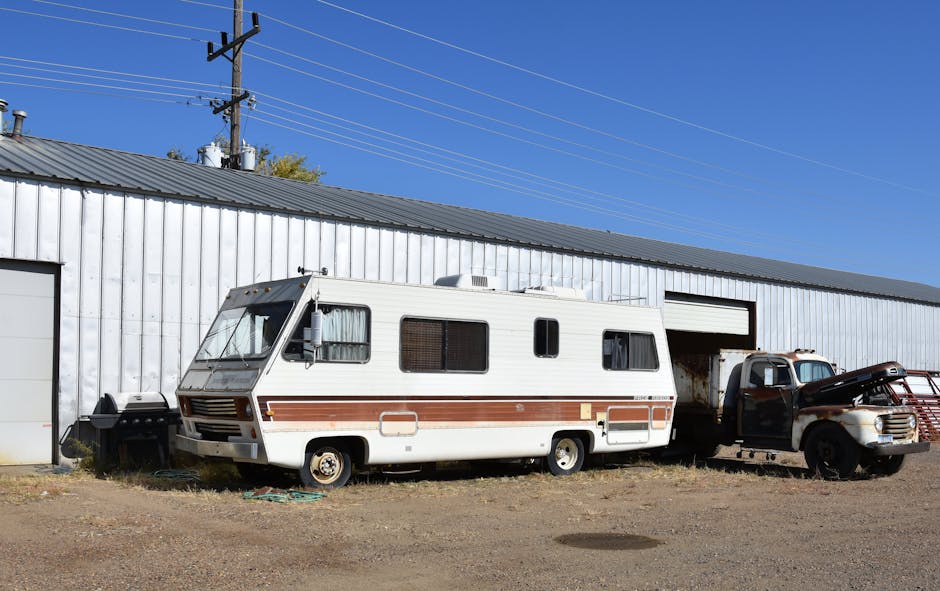
Proper motorhome storage is the single most important step in protecting your investment during the off-season. Whether you are parking your rig in a dedicated facility or your own driveway, a structured prep routine prevents costly cold-weather disasters.
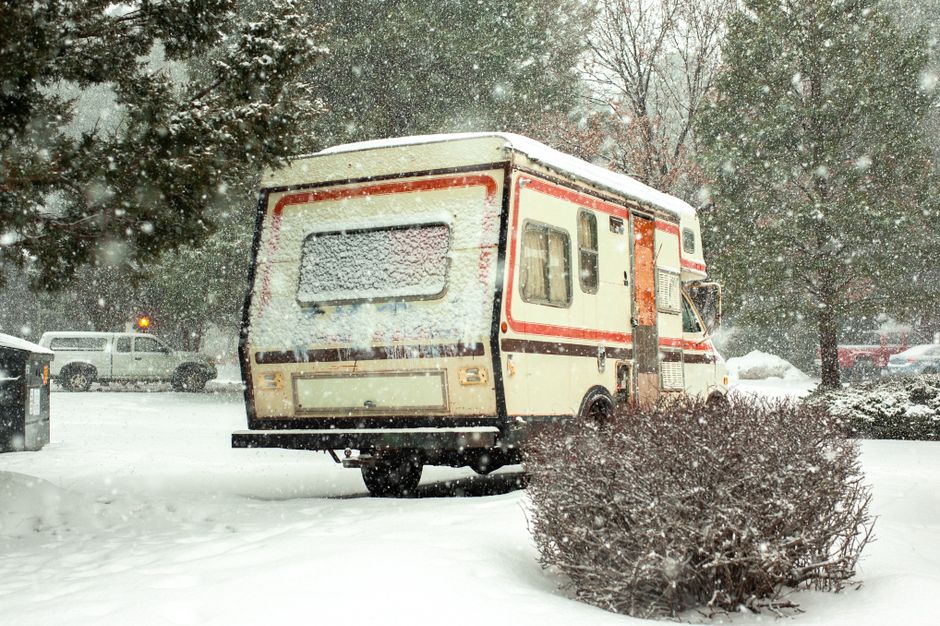
When an early freeze warning hits, time is of the essence. Quick action prevents catastrophic pipe bursts and structural water damage.
- Drain all fresh, gray, and black water holding tanks completely.
- Disconnect and store all exterior hoses and water filters.
- Clear out all perishable food items to deter mice and pests.
Winterizing Plumbing: How Much Pink Stuff Do I Need?
First-time RV owners always ask the burning question: how much pink RV antifreeze do I actually need? For most standard travel trailers and motorhomes, buying two to three gallons is usually enough if you use a blowout plug with an air compressor first. However, if you plan to pump antifreeze directly through the entire system without blowing out the lines, budget four to six gallons to ensure every trap and faucet runs bright pink.
Complete winterizing is necessary if your storage location experiences sustained freezing temperatures. Skipping this step—even for a mild winter—can lead to cracked water pump housings and split PEX piping.
- Bypass your water heater using the built-in valve kit.
- Drain the water heater tank completely via the exterior plug.
- Open all low-point drain lines to release trapped water.
- Pump non-toxic propylene glycol antifreeze through every faucet, shower, and toilet.
Tires, Covers, and Temporary Solutions
Your tires take a massive beating during long-term storage, especially when parked on cold concrete or wet grass. Protect your rubber by inflating tires to their maximum recommended PSI and using tire covers to block UV rays that degrade sidewalls. Placing rubber mats or wooden boards underneath each tire also prevents moisture transfer.
When evaluating storage options, covered or indoor storage is the gold standard. It shields your rubber roof from snow loads, ice dams, and harsh UV degradation. If you are relying on a temporary winterization method due to an unexpected freeze, make sure to at least blow out your lines and open low-point drains until you can do a thorough antifreeze flush.