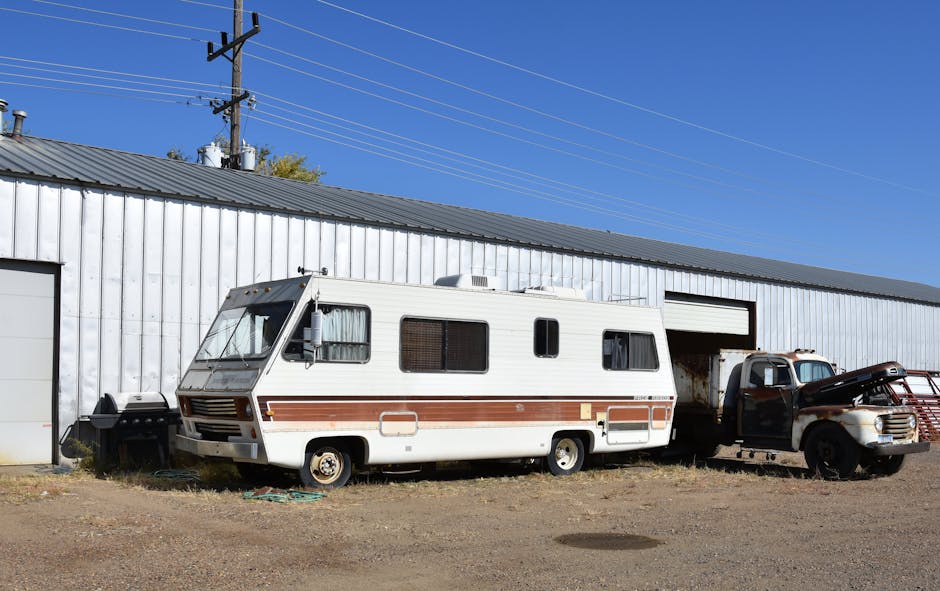
Preparing for the Cold: First-Time Winterization
Winterizing your RV for the first time can feel overwhelming, especially when you are trying to figure out logistics like how much antifreeze you actually need. For most average-sized travel trailers and motorhomes, purchasing two to three gallons of RV non-toxic antifreeze is a safe starting baseline to clear the lines. However, if you have a larger rig with multiple bathrooms, a washing machine, or an integrated ice maker, you might easily go through four to six gallons.
If you are facing an early freeze warning tonight and your full winterization kit is not ready, do not panic. Quick temporary winterization measures can save your plumbing system from catastrophic damage before a hard drop in temperature. Blow out your lines with compressed air if you have a blowout plug, open all low-point drains, and pour a cup of pink antifreeze into every sink and shower trap to protect the P-traps.
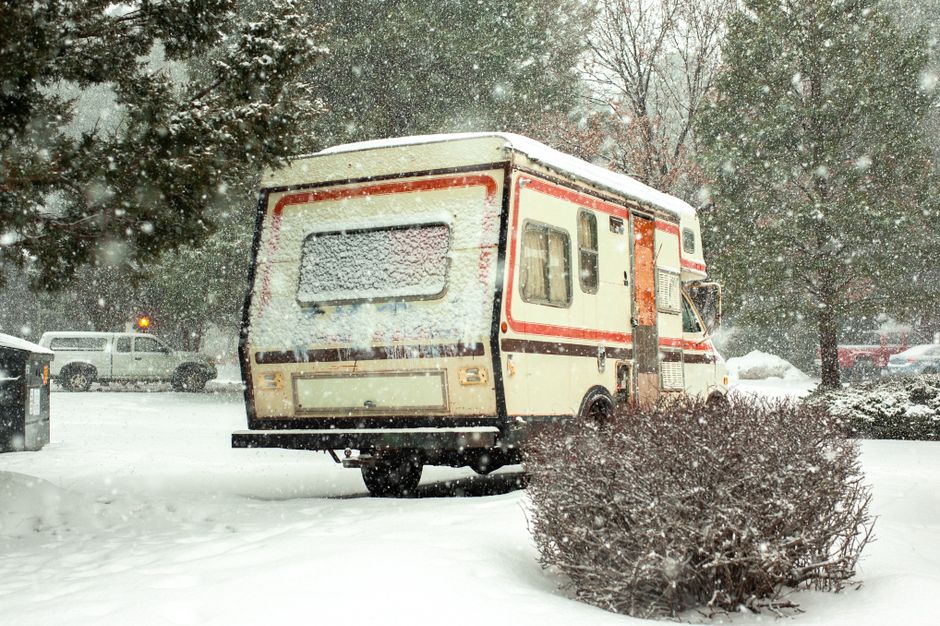
Do You Really Need Complete Winterization?
A common debate among RV owners is whether complete winterization is truly necessary if you live in a milder climate. The short answer is that it depends entirely on how often overnight temperatures drop below freezing and for how long. Even a single unexpected sub-freezing night can crack expensive water pumps and burst rigid PEX piping, leaving you with an expensive repair bill come spring.
If you are questioning whether to skip the process, consider your local climate history and whether your storage spot offers any ambient heat. When in doubt, always err on the side of caution. Fully draining the system and running antifreeze takes far less time and money than replacing a cracked water heater tank or tearing out interior walls to fix a hidden leak.
Protecting Motorhomes and RV Components in Storage
Motorhome storage requires more than just draining the plumbing; you also need to safeguard your vehicle's mechanical and structural integrity. Tires are particularly vulnerable during long-term storage because they can develop flat spots and degrade from ultraviolet light exposure. Inflate your tires to the maximum recommended pressure, park on wood blocks or rubber mats rather than bare concrete or wet ground, and use quality tire covers.
Managing your sewer hose and exterior accessories is another critical step before locking up for the winter. Thoroughly wash, rinse, and dry your sewer hose before storing it in a sealed compartment to prevent unpleasant odors and pest attraction. Whenever possible, opt for covered storage to shield your roof seals, AC units, and decals from heavy snow loads, ice dams, and harsh winter storms that accelerate wear and tear.