




Beating the Early Freeze Warning
Sudden temperature drops can wreak havoc on an unprepared RV. When an early freeze warning hits your area, you need to act fast to prevent catastrophic plumbing damage.
If you do not have time for a full winterization, at least drain your low-point drains and open all faucets. Quick action tonight can save you thousands of dollars in busted pipes tomorrow morning.
Plumbing and Antifreeze: How Much Do You Need?
First-time winterizers often wonder how much pink RV antifreeze to buy. As a general rule of thumb, most bumper-pull travel trailers require two to three gallons of propylene glycol antifreeze, while larger motorhomes and fifth wheels may need four to six gallons.
Is Complete Winterizing Always Necessary?
The necessity of complete winterizing depends entirely on your local climate and how you store your rig. If temperatures consistently drop below freezing and you live in areas like Carthage where winter prep is a community ritual, skipping winterization is a massive gamble.
However, if you live in a mild climate where freezes are rare and brief, running a small space heater and keeping cabinet doors open might suffice. When in doubt, always blow out the lines and pump the pink stuff.
Protecting Tires and Managing Gear During Storage
Your tires bear the brunt of the weight while sitting idle for months. Protect them from UV degradation and flat-spotting by using tire covers and parking on level boards instead of direct mud or grass.
Don't forget your exterior accessories before locking up for the season. Clean, dry, and securely store your sewer hose in a sealed compartment to keep out pests and prevent unpleasant odors when spring finally rolls around.
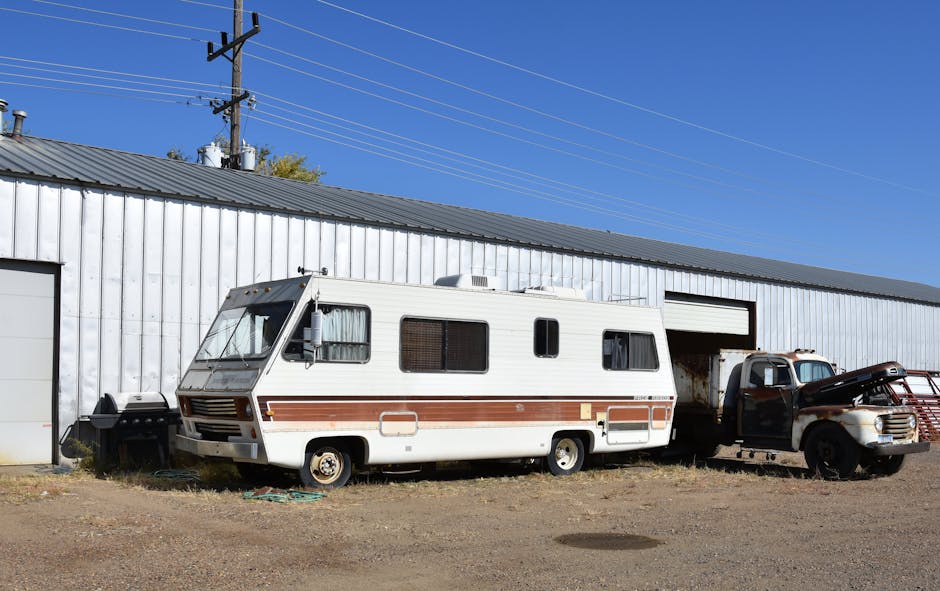
Covered vs. Open Storage: Weighing Your Options
Investing in covered storage pays dividends over the lifespan of your RV. Sun, ice, and snow take a severe toll on rubber roofs, decals, and exterior sealants.
If a fully covered pole barn or indoor facility isn't available, a breathable, high-quality RV cover is the next best thing. Just ensure it straps down tightly to prevent wind flapping from rubbing off your exterior finish.