




Navigating Your First RV Winter Storage
Winterizing your motorhome for the first time can feel overwhelming, especially when you are trying to figure out exact fluid quantities and complex plumbing systems. Whether you are prepping a complex modern rig like a 2023 Bay Star 3408 or a simpler travel trailer, the core principles of protecting your investment remain the same. Acting before the first early freeze warning tonight can save you thousands in cracked pipes and water damage.
A common point of confusion for first-timers is determining how much RV antifreeze you actually need. Generally, standard-sized motorhomes require about two to three gallons of non-toxic propylene glycol pink antifreeze to thoroughly protect the plumbing lines, P-traps, and holding tanks if you are using the blow-out method combined with antifreeze.
Quick Winterization Checklist
- Drain all fresh, gray, and black water holding tanks completely.
- Bypass your water heater to avoid filling the tank with pink antifreeze.
- Blow out the lines using compressed air at a maximum of 40 PSI.
- Pump pink antifreeze through every faucet, shower, and toilet valve.
Tire Protection and Storage Options
Your tires bear the heavy load of your motorhome all season, and parking them on cold, frozen ground during winter can lead to premature cracking and flat spots. If complete indoor storage isn't in your budget, outdoor covered storage is a fantastic middle ground that shields your roof from heavy snow loads and protects your sidewalls from harsh UV rays and ice degradation.
When storing your rig for months at a time, consider these tire safety steps:
- Inflate tires to their maximum recommended cold pressure before parking.
- Use heavy-duty vinyl or canvas tire covers to block moisture and sunlight.
- Place rubber leveling blocks or plastic pads underneath each tire to prevent direct contact with freezing, damp earth.
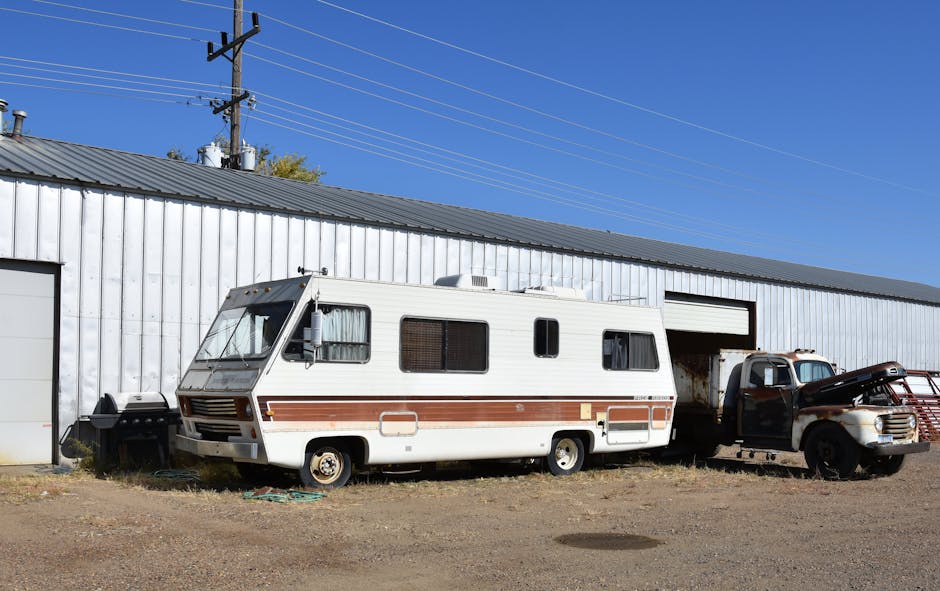
Is Complete Winterization Always Necessary?
A frequently debated question among RVers is whether complete winterization is strictly necessary if you live in a milder climate or plan to use your rig occasionally during winter. The short answer depends entirely on nighttime lows. If temperatures drop below freezing for even a few hours, stagnant water inside your plumbing lines can expand and burst fittings.
If an early freeze warning drops unexpectedly and you haven't finished a full antifreeze flush, take emergency measures immediately. Open all low-point drains, turn on cabinet doors under sinks to let ambient heat circulate, and place a safe, low-wattage portable heater inside the bathroom and utility bays.