




Navigating Your First RV Winterization
Winterizing your motorhome for the first time can feel overwhelming, especially if you are managing a complex rig like a 2023 Bay Star 3408. The key is taking a systematic approach to draining every drop of water before the first hard freeze hits your area. Whether you are dealing with a sudden early freeze warning tonight or planning ahead for months of storage, preparation is your best defense.
A common question among first-time owners is: just how much pink stuff do I need? For a standard motorhome, you will typically want to have 2 to 3 gallons of non-toxic RV antifreeze on hand if you are blowing out the lines with compressed air first. If you plan to pump antifreeze directly through the entire plumbing system without blowing it out, you may need anywhere from 4 to 6 gallons to ensure every PEX line, trap, and appliance is fully protected.
Essential Steps for Motorhome and Tire Storage
When your motorhome goes into long-term storage, your tires bear a massive static load while sitting in one spot. To prevent flat-spotting and premature sidewall cracking, inflate your tires to the maximum PSI recommended on the sidewall before parking. Consider using tire covers to shield the rubber from harsh UV rays, and park on rubber mats, wood planks, or level gravel pads to keep the tires isolated from freezing, damp ground.
Covered vs. Open-Air Storage
Choosing where to store your rig matters just as much as how you prep it. Covered storage offers superior protection against snow buildup, hail, tree sap, and intense UV degradation. If you opt for open-air storage, investing in a breathable, high-quality RV cover is essential to keep moisture from getting trapped underneath and causing mold or mildew growth.
Do You Really Need Complete Winterization?
A frequent debate in the RV community centers on whether complete winterization is truly necessary if you live in a milder climate or plan to use your rig occasionally during winter. The short answer is yes, if temperatures drop below freezing even for a single night. Water expands with incredible force when it freezes, easily cracking water pumps, splitting PEX piping, and destroying water heaters. Taking shortcuts to save time rarely pays off when you are facing a massive plumbing repair bill in the spring.
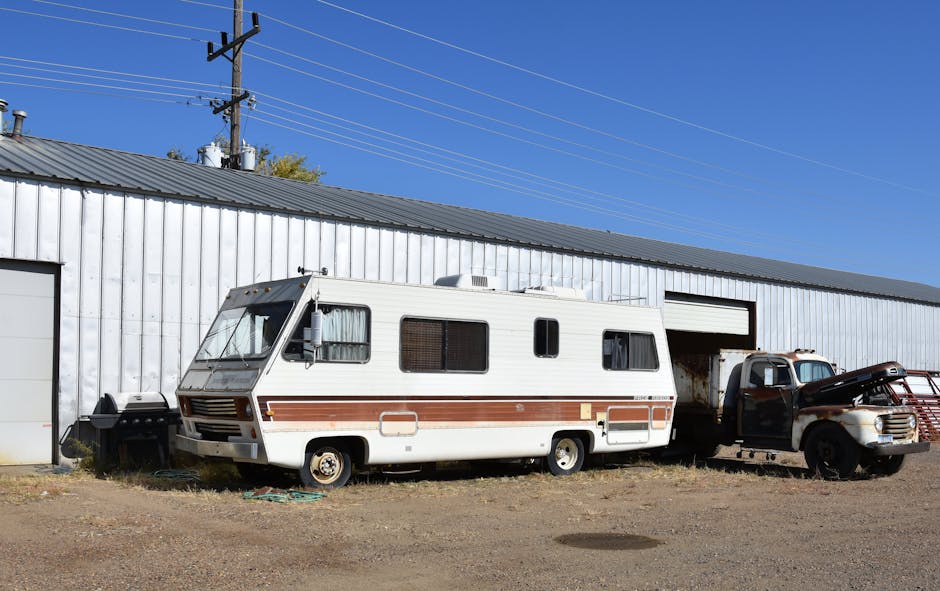
- Drain all fresh, gray, and black holding tanks completely.
- Bypass your water heater before pumping in pink antifreeze.
- Disconnect the house and chassis batteries, and store them in a climate-controlled area.
- Block all mouse entry points with steel wool and clear out all food sources.