



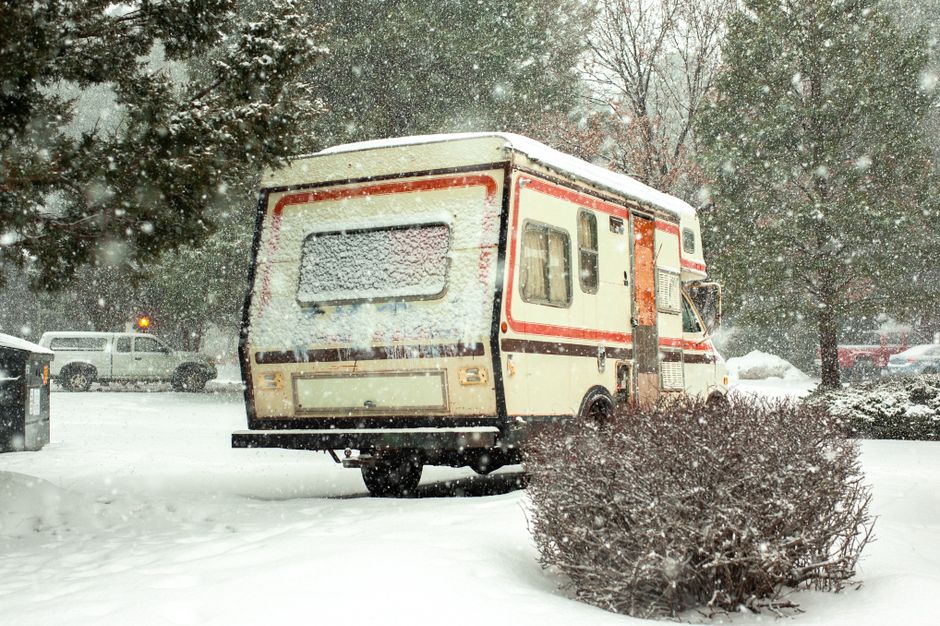
Emergency Freeze Warnings and Quick Actions
Sudden temperature drops can spell disaster for an unwinterized RV. If you just received an early freeze warning tonight, you need to act fast to protect your plumbing system from costly bursts.
At a minimum, drain your fresh water tank, low-point drains, and water heater immediately. If you do not have time for a full blow-out or antifreeze fill, opening cabinet doors under sinks and placing a small, safe electric space heater inside can buy you precious hours during a mild overnight freeze.
First-Time Winterizing: How Much Pink Stuff Do You Need?
One of the most common questions for first-time motorhome owners is how much RV antifreeze to buy. The short answer is that most standard travel trailers and smaller motorhomes require about 2 to 3 gallons of propylene glycol (the pink stuff) when using a water heater bypass kit.
Larger Class A motorhomes with multiple bathrooms, washing machine hookups, and large residential-style refrigerators with ice makers can easily require 4 to 6 gallons. Always buy an extra gallon or two just in case you run short while filling traps and treating holding tanks.
- Drain the water heater and engage the bypass valves.
- Open all hot and cold low-point drains until completely empty.
- Use a blowout plug with an air compressor to clear out remaining water lines.
- Pump pink antifreeze through the system starting from the farthest fixture.
Tires and Storage: Keeping Your Rubber Healthy
Tires take a massive beating when sitting stationary in freezing weather or baking under winter UV rays. To prevent flat-spotting and premature sidewall cracking, proper preparation is non-negotiable before long-term storage.
- Inflate tires to their maximum recommended cold pressure before parking.
- Use tire covers to shield rubber from damaging UV rays and harsh snow.
- Park on rubber leveling pads, wood planks, or plastic mats rather than directly on frozen mud, asphalt, or concrete.
Covered Storage vs. Leaving It Exposed
Deciding between open-air storage and a covered facility often comes down to budget and availability. While covered or indoor motorhome storage protects your roof seals and decals from snow loads and ice dams, it comes at a premium price.
If you must use outdoor storage, invest in a breathable, high-quality RV cover rather than a cheap blue tarp. Tarps trap moisture and condensation, leading to mold and mildew growth, whereas breathable covers let trapped humidity escape while blocking snow and ice.