



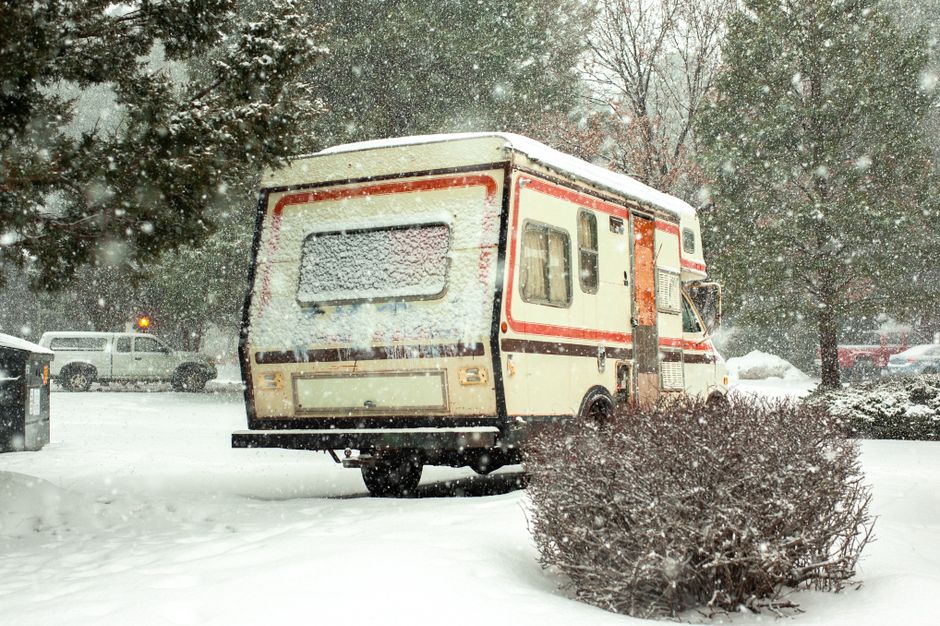
Winterizing Essentials
If you live in a region where temperatures drop below freezing, winterizing is not optional—it is a necessity. Leaving water in your lines leads to burst pipes, which can result in costly repairs once the thaw arrives.
How Much Antifreeze Do You Need?
For a first-timer, the "pink stuff" (RV-specific antifreeze) is your best friend. On average, most travel trailers or small motorhomes require 2 to 3 gallons of RV antifreeze to fully flush the plumbing system, including the water heater bypass.
Tires and Storage Solutions
Long-term storage can be brutal on tires. To prevent dry rot and flat spots, always inflate your tires to the manufacturer's maximum recommended pressure before parking. If possible, use tire covers to shield the rubber from damaging UV rays.
Covered vs. Open Storage
Choosing between open, covered, or indoor storage depends on your climate and budget. Covered storage is the gold standard, as it protects your roof seals from snow loads and ice dams while still allowing for airflow to prevent mold and mildew buildup.
Planning for Off-Season Storage
When searching for a place to park your rig, look for facilities that offer secure access and adequate drainage. Proper site design is crucial to ensure that water doesn't pool around your wheels during the spring melt.
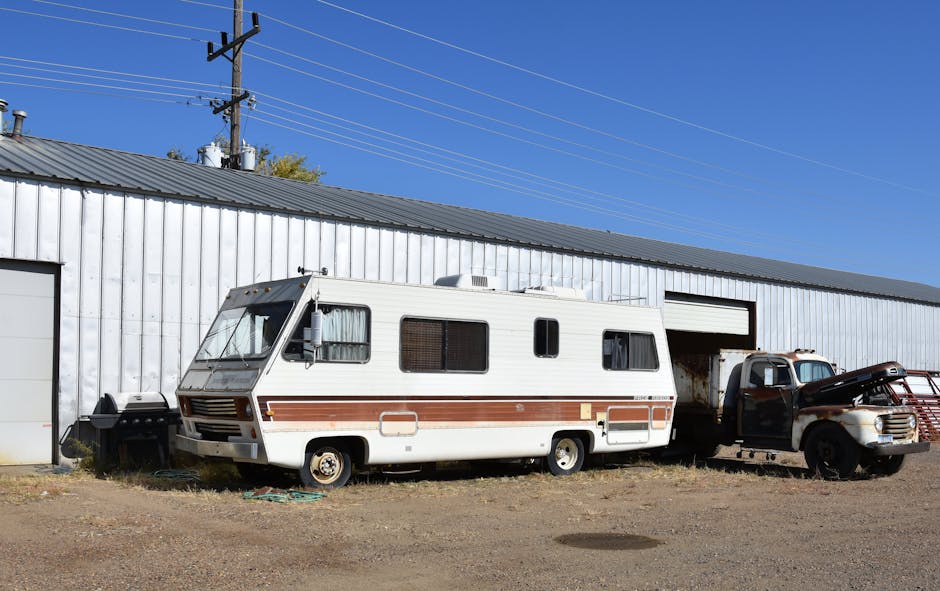
Whether you are looking for a climate-controlled building or a simple gated outdoor lot, choosing a reliable location gives you peace of mind throughout the colder months. Prioritize locations that offer paved or gravel pads to prevent your chassis from sitting directly on soft, wet soil.