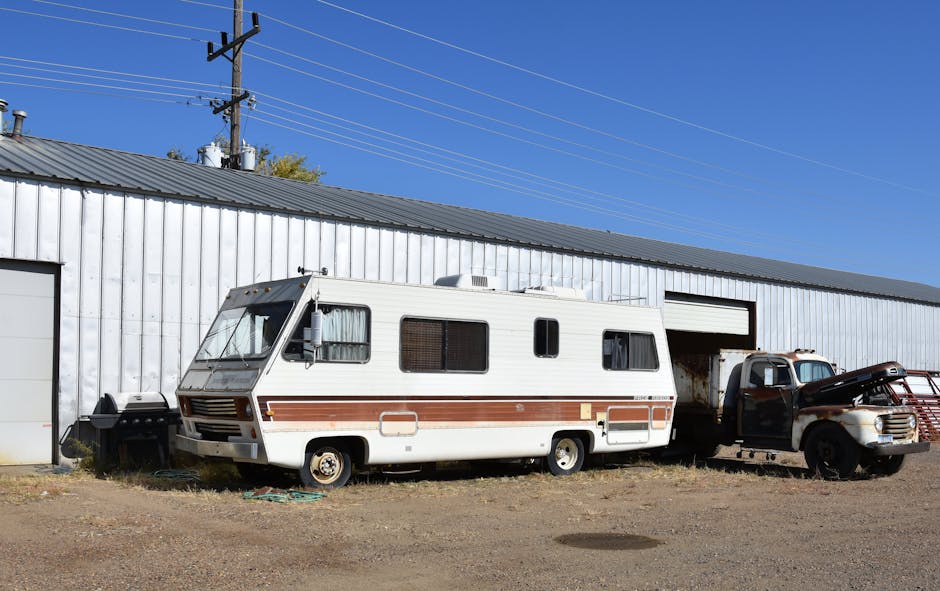
To Winterize or Not: Is It Really Necessary?
If you live in an area where temperatures drop below freezing, complete winterizing is not optional—it is a requirement to prevent catastrophic plumbing damage. Even a short early freeze can crack water lines, fittings, and your water heater tank, leading to expensive repairs come spring.
If you are caught by an early freeze warning tonight, start by draining your low-point drains and water heater immediately. While compressed air is a great first step, RV antifreeze (the 'pink stuff') provides the ultimate insurance against residual water freezing in traps and valves.
Calculating Your Antifreeze Needs
How much pink stuff do I need?
For most travel trailers and fifth wheels, you will typically need between two to three gallons of RV-specific antifreeze. Always use non-toxic, propylene glycol-based antifreeze, not automotive coolant, which is toxic to humans and pets.
- Bypass your water heater to avoid filling it with antifreeze.
- Drain the fresh water tank and open all faucets.
- Use a hand pump or a winterization kit to draw antifreeze directly from the bottle into your water lines.
- Run each faucet until you see the pink liquid, starting from the point closest to the pump and working your way back.
Tire Care and Storage Logistics
Protecting your tires during storage
Your tires are susceptible to dry rot and flat spotting when sitting stationary for months. Keep them covered with UV-resistant tire covers to block harsh winter sun and prevent ozone damage. If possible, park your rig on concrete or wood planks rather than directly on grass or dirt to minimize moisture absorption.
Choosing the right storage
When evaluating motorhome storage, covered storage or a climate-controlled building is the gold standard. A dedicated RV storage building protects your roof seals from snow accumulation and ice dams, which are primary causes of water intrusion. If you are exploring options, check out local facilities like [Sunset Valley RV Park](/park/sunset-valley-rv-park) for secure, managed storage solutions.