



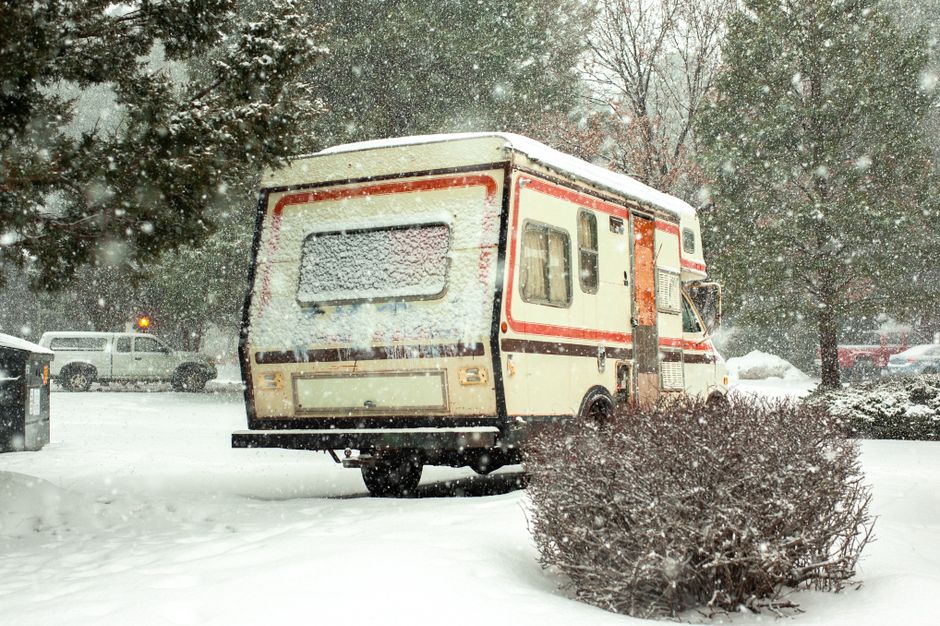
Navigating Winter Travel Plans and Early Freezes
As the temperature drops and early freeze warnings pop up unexpectedly, RVer panic sets in. Whether you are finalizing your winter travel plans for the upcoming 2026/2027 season or scrambling because a hard freeze is forecasted tonight, proactive steps are essential. A sudden overnight freeze can crack plumbing lines and destroy your investment before you even realize what happened.
When an early freeze warning hits your phone, quick action is required if your rig isn't winterized. At a minimum, disconnect your shore water hose, open your low-point drains, and turn on cabinet doors under sinks to let ambient heat circulate. However, short-term fixes won't replace a proper winterization routine when cold weather settles in for good.
First-Time Winterizing: How Much Pink Stuff Do I Need?
One of the most common questions for first-time RVers is figuring out exactly how much RV antifreeze (the pink stuff) to buy. You don't want to run out halfway through blowing out and filling your lines, but you also don't want a garage full of leftover jugs. As a general rule of thumb, most small to mid-sized travel trailers require about 2 to 3 gallons of RV antifreeze.
Larger class A motorhomes or fifth wheels with residential refrigerators, washing machine hookups, and multiple bathrooms may require anywhere from 4 to 6 gallons. Always buy one or two extra jugs just in case you misjudge or need to pour some down the P-traps after draining your systems. Remember, never use automotive antifreeze, as it is toxic and will ruin your potable water system.
Motorhome Storage and Tire Care During the Off-Season
Deciding between covered storage, outdoor lots, or your own driveway is a major factor in how well your motorhome weathers the winter. Covered storage protects your roof seals, rubber gaskets, and exterior decals from harsh UV rays and heavy snow loads, significantly extending the lifespan of your rig. If you choose open-air storage, investing in a breathable, high-quality RV cover is non-negotiable.
Tires also take a massive beating when sitting stationary in freezing temperatures for months on end. To prevent flat-spotting and premature sidewall cracking, follow these essential tire care steps during storage:
- Inflate your tires to the maximum recommended pressure before parking to handle gradual pressure loss from cold weather.
- Park on rubber leveling blocks, wood planks, or specialized tire cradles to prevent direct contact with cold, damp ground or concrete.
- Use opaque tire covers to block out damaging UV rays that accelerate rubber degradation during sunny winter days.
- Avoid applying harsh petroleum-based tire shines, which can actually degrade the rubber compound over prolonged storage periods.