




Early Freeze Warnings and Emergency Action
An unexpected early freeze warning can send shockwaves through the RV community. When temperatures plummet overnight before you have completed a full winterization, quick action is required to prevent catastrophic plumbing damage.
If you receive a sudden freeze alert, focus on the most vulnerable points of your rig immediately. Open all interior cabinet doors to let ambient heat reach water lines, disconnect external hoses, and use compressed air to quickly blow out the lines if you do not have pink antifreeze on hand.
First-Time Winterizing: How Much Pink Stuff Do I Need?
One of the most common questions for beginners is figuring out how much RV antifreeze to buy. The short answer depends on the size of your motorhome and whether you have a water heater bypass kit installed.
- Standard small travel trailers (under 25 feet): Usually require 2 to 3 gallons of RV antifreeze.
- Medium rigs and large travel trailers: Plan for 3 to 4 gallons to be safe.
- Large motorhomes and fifth wheels with multiple bathrooms: Often require 4 to 6 gallons, especially if running long lines to a residential refrigerator ice maker or washer-dryer prep.
Always buy an extra gallon just in case. Pouring a cup down each P-trap and a little into the holding tanks ensures complete protection all winter long.
Protecting Tires and Motorhome Storage Options
Leaving your tires sitting in freezing, wet mud or exposed to harsh UV rays all winter is a recipe for premature sidewall cracking. If you are parking your motorhome for the season, proper tire care is just as important as plumbing protection.
Inflate your tires to the maximum recommended pressure before parking to help prevent flat-spotting. Consider using tire covers to block out snow, ice, and damaging sunlight, and place rubber mats or wood blocks underneath the tires to keep them off frozen ground.
When choosing between covered storage, indoor storage, or outdoor parking, weigh your budget against weather severity. Covered storage offers an ideal middle ground, protecting your roof from heavy snow loads and ice dams while maintaining good airflow to prevent moisture buildup and mold.
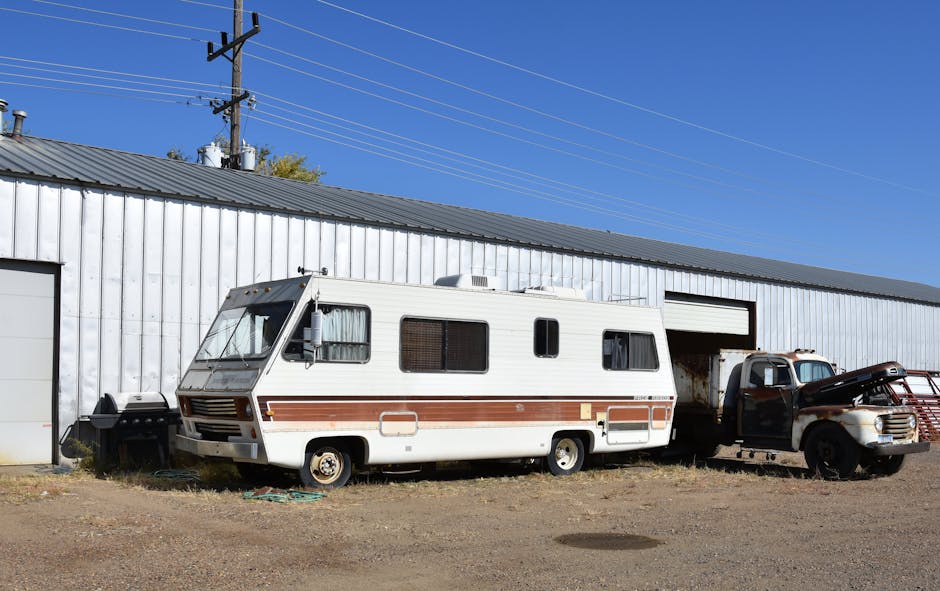
Complete Winterizing vs. Temporary Winterization
Not every RVer needs a full system blowout every time temperatures dip for a single night. Understanding the difference between complete and temporary winterization saves time and hassle.
If you plan to use your motorhome intermittently for winter travel plans or occasional weekend getaways throughout 2026 and 2027, temporary winterization—such as using tank heaters, keeping the furnace set to a low temperature, and insulating exposed underbelly pipes—might be enough.
However, if the rig will sit completely unattended for months in a freezing climate, a full winterization using RV antifreeze and compressed air is the only foolproof way to avoid costly freeze-damage repairs in the spring.