




Winterizing 101: Do You Really Need to Do It?
If you live in a climate where temperatures drop below freezing, winterizing is not optional—it is a necessity to avoid catastrophic plumbing failure. Even a single night of a deep freeze can crack water lines, damage your water pump, and ruin your water heater.
If you are caught off guard by an early freeze warning, immediate action is required. Drain your low-point drains and blow out the lines with compressed air if you do not have antifreeze on hand. This quick step can buy you time until you can properly winterize your rig.
The Pink Stuff: How Much Antifreeze Do You Need?
For most standard travel trailers and fifth wheels, you will typically need 2 to 3 gallons of non-toxic RV antifreeze. If you have a residential-style refrigerator with an ice maker or a washing machine, add an extra gallon to ensure those lines are fully protected.
- Drain all fresh, gray, and black water tanks completely.
- Bypass your water heater to avoid wasting gallons of fluid.
- Open the furthest faucet and pump antifreeze through until you see the pink color.
- Work your way back to the water source, including the shower and toilet.
Tires and Storage Best Practices
Storage is often where the most damage occurs. If your RV is sitting on soft ground, the moisture can accelerate tire dry rot and chassis rust. If possible, park on a concrete pad or use jack stands to take the weight off the tires, though ensure you follow your manufacturer's weight rating guidelines.
Covered storage is the gold standard for long-term winter protection. It prevents UV damage to your seals and roof membranes, which are your first line of defense against leaks. If you cannot find a garage, use a high-quality, breathable RV cover that prevents moisture entrapment while shielding your rig from snow and ice.
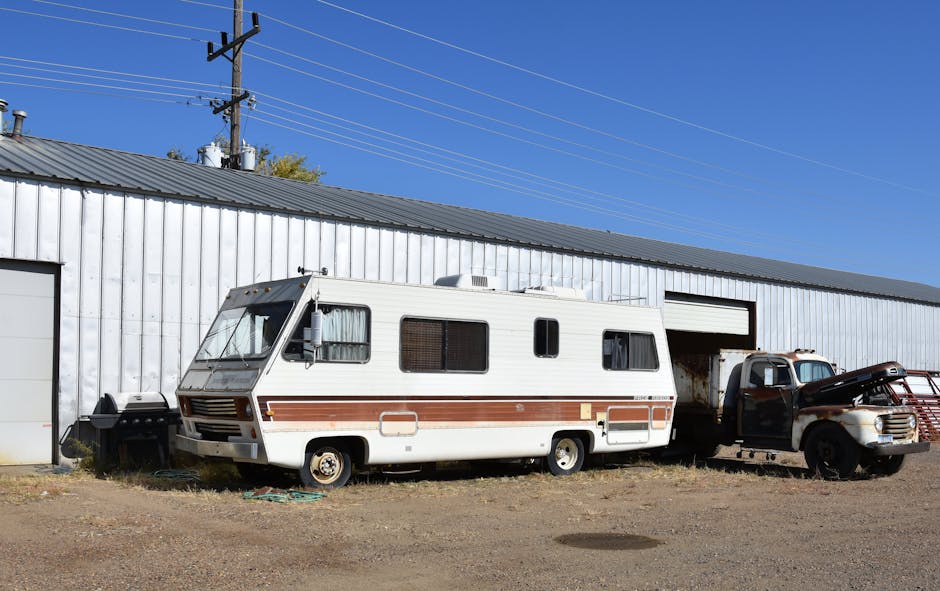
For those looking for secure storage options, consider professional facilities like [Creekside RV Resort](/park/creekside-rv-resort) or [Silver Lakes RV Resort](/park/silver-lakes-rv-resort). These locations offer the infrastructure needed to keep your vehicle safe from the elements when you aren't on the road.