



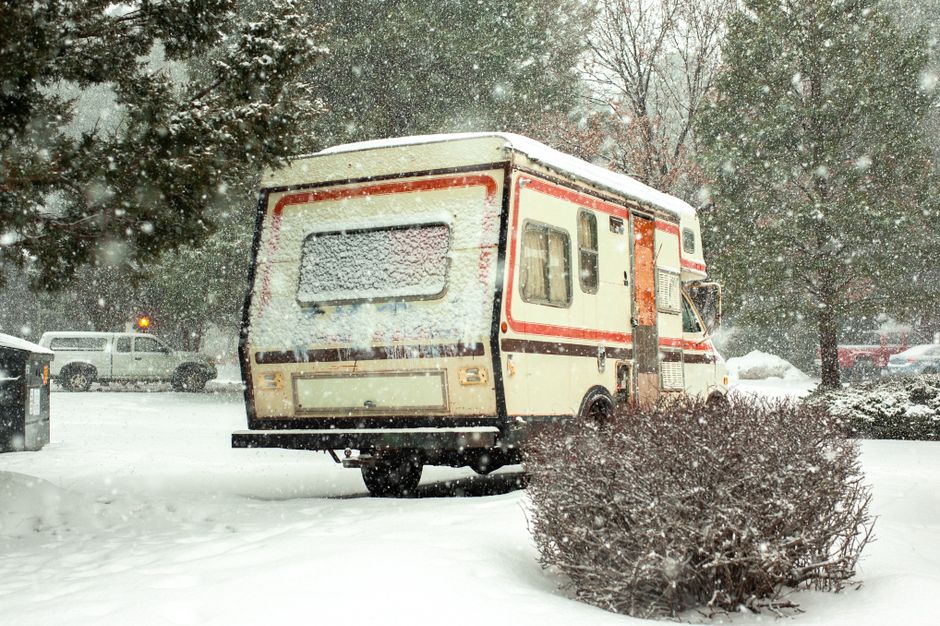
To Winterize or Not: The Essential Debate
Many new owners ask if complete winterizing is really necessary. The short answer is: if temperatures drop below freezing in your area, you cannot afford to skip it. Water expands when it freezes, which can lead to catastrophic damage to your plumbing lines, water heater, and pump.
If you are caught off guard by an early freeze warning, don't panic. At a minimum, drain your low-point drains and blow out the lines with compressed air if you don't have access to antifreeze immediately. However, for true peace of mind, a full system flush with RV-specific non-toxic antifreeze is the gold standard.
The Pink Stuff: How Much Do You Need?
A common question for first-timers is, "How much pink stuff do I need?" Generally, most RVs require two to three gallons of RV antifreeze to fully protect the lines and P-traps. It is always better to have an extra gallon on hand than to run out midway through the process.
Essential Storage Prep
- Remove all food items to avoid attracting rodents.
- Clean the interior thoroughly, specifically the refrigerator.
- Leave cabinets and interior doors open to encourage airflow and prevent mold.
Tire Care and Covered Storage
Your tires are your RV's foundation. During long-term storage, tires can develop flat spots or dry rot due to UV exposure and extreme cold. If possible, store your RV on a concrete or gravel pad rather than directly on grass or dirt, which traps moisture.
Covered storage is the ultimate goal. It protects your roof seals from snow accumulation and ice dams, which are the leading cause of winter water intrusion. If you must use a breathable fabric cover, ensure it is tight to prevent wind whipping, which can damage your paint and seals over time.