



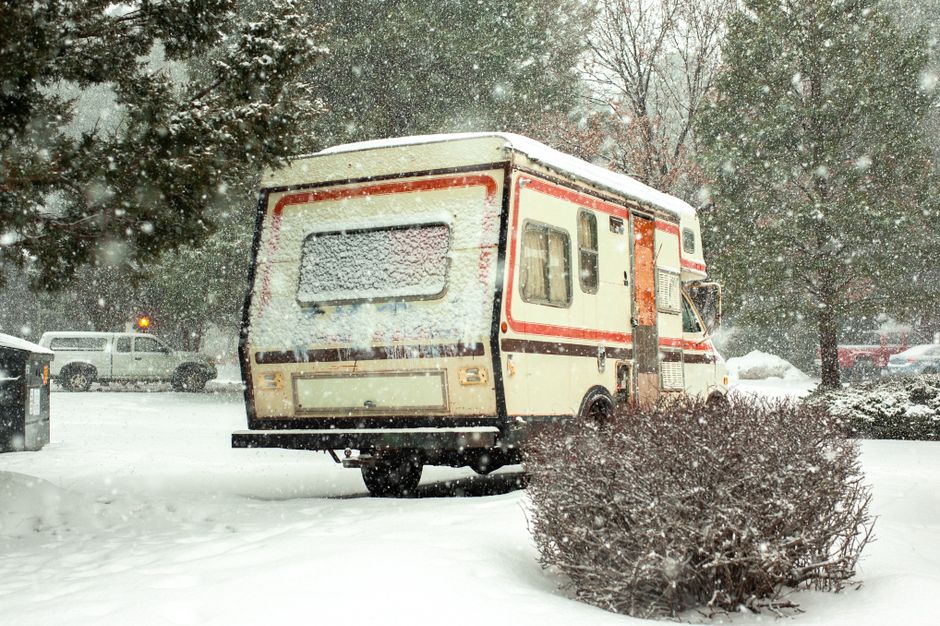
Is Complete Winterization Necessary?
If you live in an area where temperatures drop below freezing, winterization is not optional—it is a critical maintenance step. Allowing water to freeze in your pipes, water heater, or pump will cause them to crack, leading to expensive repairs come spring.
If you are caught by an early freeze warning, immediate action is required. If you cannot fully winterize, at the very least, drain your low-point water lines and open all faucets to allow for expansion. For those in milder climates, keeping the rig climate-controlled or choosing a covered storage location can provide added peace of mind.
Step-by-Step Winterization Workflow
Winterizing your RV is a rite of passage for every owner. While the amount of pink antifreeze you need depends on your rig's plumbing length, most standard trailers require 2 to 3 gallons.
- Drain all water tanks: fresh, gray, and black.
- Bypass your water heater to avoid filling it with unnecessary antifreeze.
- Use a water heater bypass kit and a pump converter kit to draw RV-specific antifreeze directly into your plumbing system.
- Open each faucet one by one until pink fluid flows steadily.
Regarding questions about antifreeze left in the pipes for over 10 months: while non-toxic RV antifreeze is shelf-stable, it is best practice to flush your system thoroughly in the spring before use. If it looks discolored or smells off, drain it and cycle fresh water through the system multiple times.

Tires and Storage Maintenance
Your tires take a beating during long-term storage. UV exposure and fluctuating temperatures can cause dry rot and uneven pressure. Always cover your tires to block UV rays and ensure they are inflated to the recommended PSI before parking.
Storage Facility Tips
If you are looking for long-term options, consider the benefits of covered storage or climate-controlled buildings. Indoor or covered storage protects your roof seals from snow load and ice accumulation, which is the leading cause of water damage in seasonal rigs.