




To Winterize or Not: Is It Necessary?
If your RV is sitting in a climate where temperatures drop below freezing, complete winterization is not optional—it is a necessity. Even a single night of unexpected freezing temperatures can lead to catastrophic damage to your water lines, pump, and water heater.
Whether you are looking at short-term storage or tucking the rig away until spring, the "pink stuff" (RV antifreeze) is your best friend. For most standard travel trailers, two to three gallons is usually sufficient to flush the entire system properly.
Essential Storage Tips: Tires and Heating
Tire Care During Storage
Storing your RV for months on end can cause flat spots and dry rot. If you cannot keep the rig on a concrete pad, use plywood under the tires to prevent direct contact with soil moisture. Always inflate tires to the manufacturer's maximum recommended pressure before parking.
The Heating Debate
Many owners wonder if placing a heater under the trailer is a good idea. Generally, this is discouraged due to fire risks and inconsistent coverage. Instead of heating the underside, focus on insulating the plumbing and ensuring your rig is properly blown out with compressed air before adding antifreeze.
Choosing the Right Storage Method
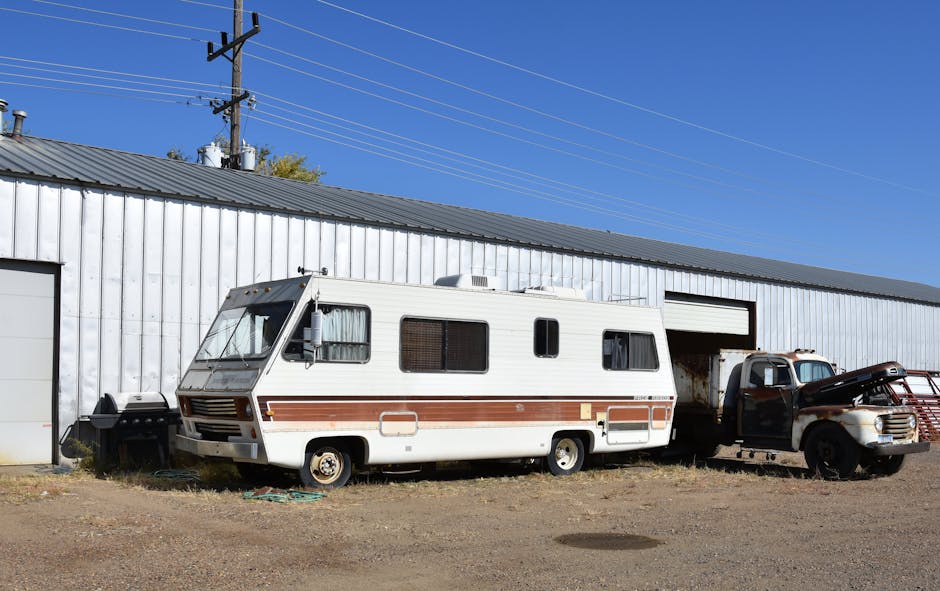
When considering motorhome storage, covered storage is the gold standard. It protects the roof seams from ice buildup and UV degradation, significantly extending the life of your seals. If a garage isn't available, a high-quality, breathable RV cover is the next best option.
Before you lock the door, perform a final inspection. Clear out all food, remove batteries to prevent freezing damage, and leave a few moisture absorbers inside the cabin to prevent mold and mildew growth during the humid thaw.