



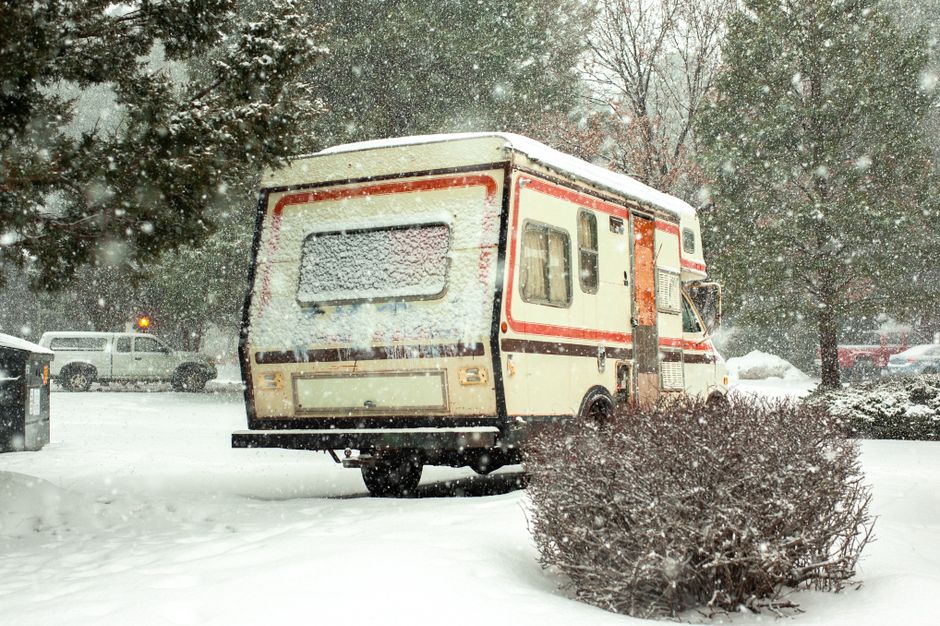
First-Time Winterization: How Much Antifreeze?
If you are heading into your first winter, the most common question is: how much RV-specific non-toxic antifreeze (the 'pink stuff') do I actually need? For most travel trailers and smaller motorhomes, 2 to 3 gallons are typically sufficient to flush the lines.
Always ensure you use plumbing-grade antifreeze, never automotive coolant. You will need enough to fill the hot and cold lines until you see the pink liquid flowing consistently from every faucet, including the outside shower and toilet.
Early Freeze Warnings and Essential Prep
Did you get an alert for an early freeze tonight? If you cannot fully winterize immediately, at least drain your low-point drains and your fresh water tank. Keeping these empty prevents frozen water from cracking your pipes or water pump housing.
Even if you think your climate is mild, a single hard freeze can cause thousands of dollars in damage. It is always better to err on the side of caution. For those in regions where temperatures drop suddenly, consider visiting protected facilities like Hidden Valley RV Resort to evaluate their storage options for your specific rig size.
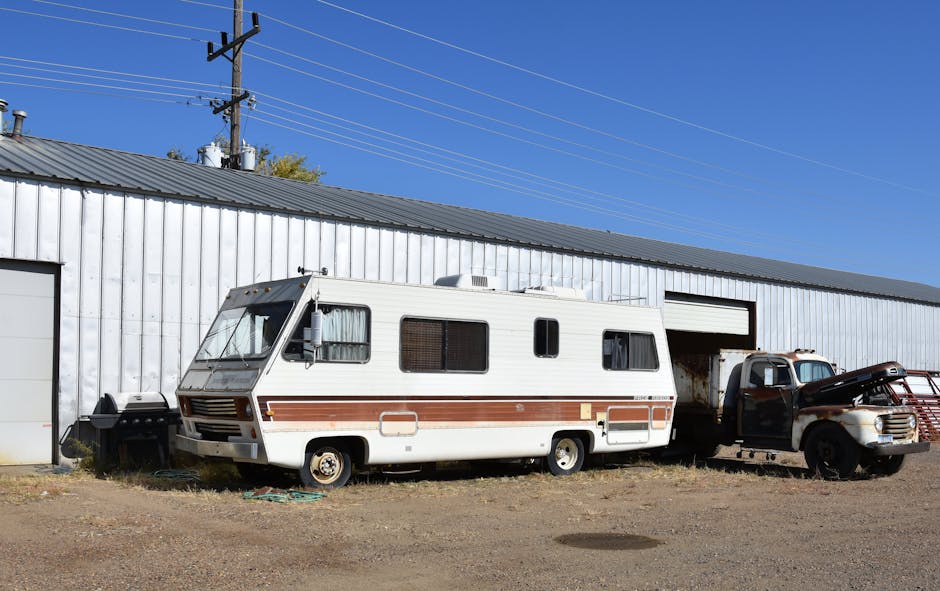
Is Complete Winterization Always Necessary?
If you live in a climate where temperatures stay consistently above freezing, you might wonder if full winterization is overkill. However, if your RV sits idle, humidity control and pest prevention are just as critical as plumbing protection.
Leaving a rig unmonitored for months can lead to hidden water leaks or rodent infestations. If you are storing your unit long-term, look into specialized sites like Oak Creek RV Park to see if they offer the climate-controlled or covered environments you need to keep your asset safe.
Choosing the Right Storage
When choosing between outdoor, covered, or indoor storage, consider your local snowfall and UV exposure. Covered storage is the 'gold standard' for most owners, as it prevents snow accumulation on the roof while allowing airflow to reduce moisture buildup.
- Clear all food items to discourage pests.
- Use tire covers to protect rubber from cracking in extreme cold.
- Disconnect your batteries or keep them on a trickle charger.
- Check your roof sealant one last time before the snow sets in.