




First-Time Winterization: The Essentials
If you are staring down an early freeze warning, the most important step is purging your water lines. Don't wait for a hard freeze that could crack your plumbing system.
For most travel trailers, you will need approximately 2 to 3 gallons of RV-specific non-toxic antifreeze. Always bypass your water heater before pumping the solution to avoid wasting product and potentially damaging your tank.
Do You Really Need to Winterize Completely?
Many new owners ask if they can skip winterization. The reality is simple: if temperatures drop below freezing, water trapped in lines will expand and cause leaks.
If you live in a mild climate, you might get away with just an air blowout, but for true peace of mind, adding antifreeze to your P-traps and faucets is the industry standard for preventing damage.
Choosing the Right Storage Strategy
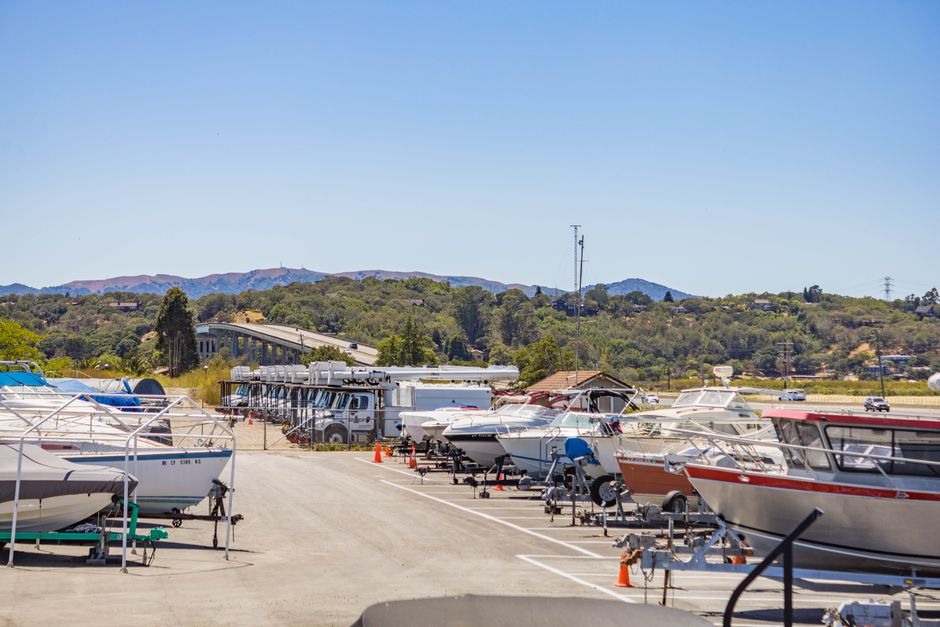
When choosing between outdoor lots or covered storage, consider your climate. Covered storage is highly recommended as it prevents UV damage to your roof seals and prevents snow loads from sitting directly on your slide-out toppers.
If you are building your own dedicated storage structure, focus on ventilation and concrete pads. Keeping your RV off the dirt prevents excessive moisture buildup underneath the chassis.
Preparing for the Off-Season
- Clean the interior thoroughly and remove all food to prevent rodent infestations.
- Use a dehumidifier or moisture-absorbing crystals inside the cabin.
- Top off your fuel tank if you have a motorized RV to prevent condensation in the tank.
- Disconnect your house batteries to prevent parasitic drain.