



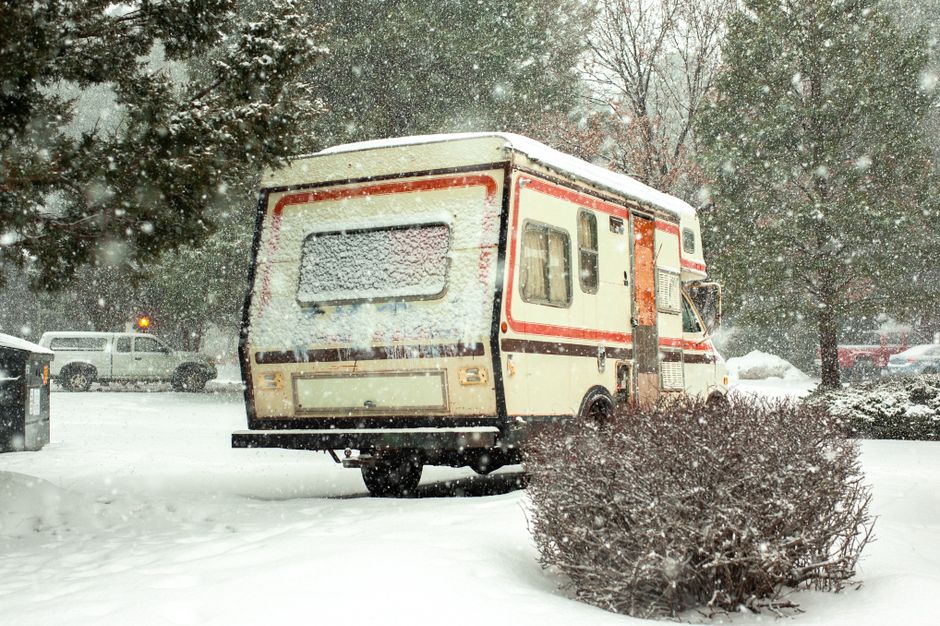
Is Complete Winterization Really Necessary?
If you live in a region where temperatures drop below freezing, the answer is an absolute yes. Leaving water in your lines, tanks, or water heater is a recipe for cracked pipes and costly repairs that can total thousands of dollars.
Even if you hear of a surprise early freeze warning, don't panic. You can perform a quick emergency winterization by draining all tanks and blowing out your lines with compressed air if you don't have access to non-toxic RV antifreeze immediately. It is always better to act fast than to risk a split pipe.
Mastering the Pink Stuff: How Much Do You Need?
For most travel trailers and motorhomes, two to three gallons of RV-specific propylene glycol antifreeze is usually sufficient to protect your plumbing system. Never use automotive antifreeze, which is toxic and will ruin your potable water system.
- Bypass your water heater to avoid filling the tank with antifreeze.
- Open the lowest drain points to clear standing water.
- Use a hand pump or a water pump converter kit to siphon antifreeze through your water lines until you see pink fluid at every faucet, shower, and toilet.
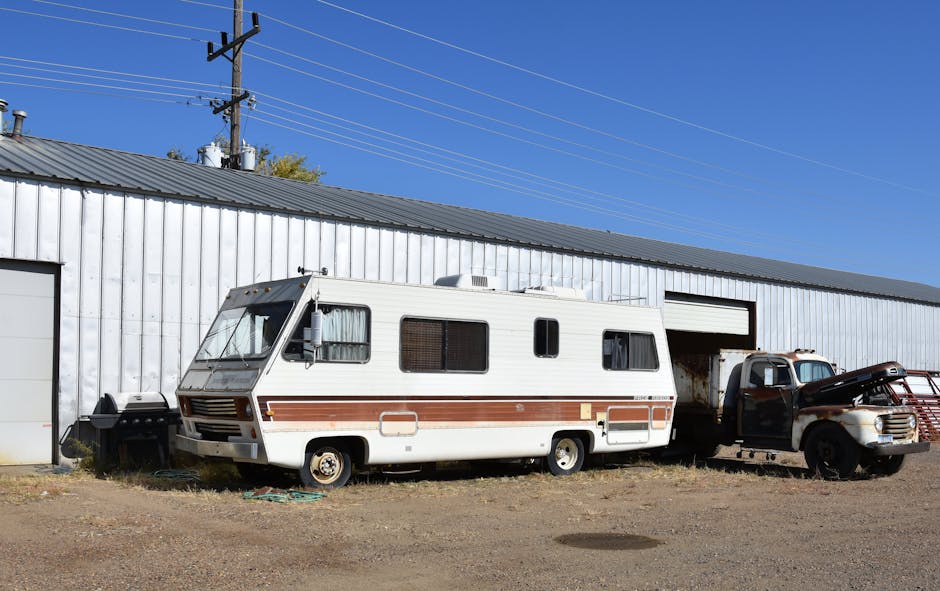
Storage Solutions: Covered vs. Open
Choosing the right storage environment significantly impacts your RV's longevity. Covered storage is the gold standard, as it protects your roof seals from UV damage and prevents heavy snow or ice buildup that can lead to leaks.
If you are storing your rig in an open lot, ensure your tires are protected. UV rays break down tire rubber, and parking on grass can cause dry rot from moisture. Use tire covers and place moisture barriers like rubber mats or wood blocks under the tires to keep them off the direct ground.
Don't Forget the Details
Motorhome storage involves more than just plumbing. Remember to disconnect your house batteries or put them on a trickle charger to prevent parasitic drain. Rodent-proofing your rig with steel wool in any exterior gaps will save you from a major headache come spring.