



Is Complete Winterization Really Necessary?
If you live in an area that experiences freezing temperatures, the answer is a resounding yes. Water left in your plumbing lines can freeze, expand, and crack your pipes, leading to expensive repairs come springtime.
Even if you have an early freeze warning tonight, you must act quickly. At a minimum, drain your low-point drains and water heater. However, for true peace of mind, a full system blowout combined with RV-specific antifreeze is the industry standard for preventing catastrophic damage.
Mastering Your Winter Storage Strategy
Tire Care and Maintenance
Tires are often forgotten during winter storage, but they are prone to dry rot and flat spots. Ideally, keep your tires off the ground using blocks, or at least keep them covered to protect against UV damage.
Check your tire pressure before parking for the long term. Proper inflation helps maintain the structural integrity of the rubber during months of inactivity.
Choosing Between Covered and Building Storage
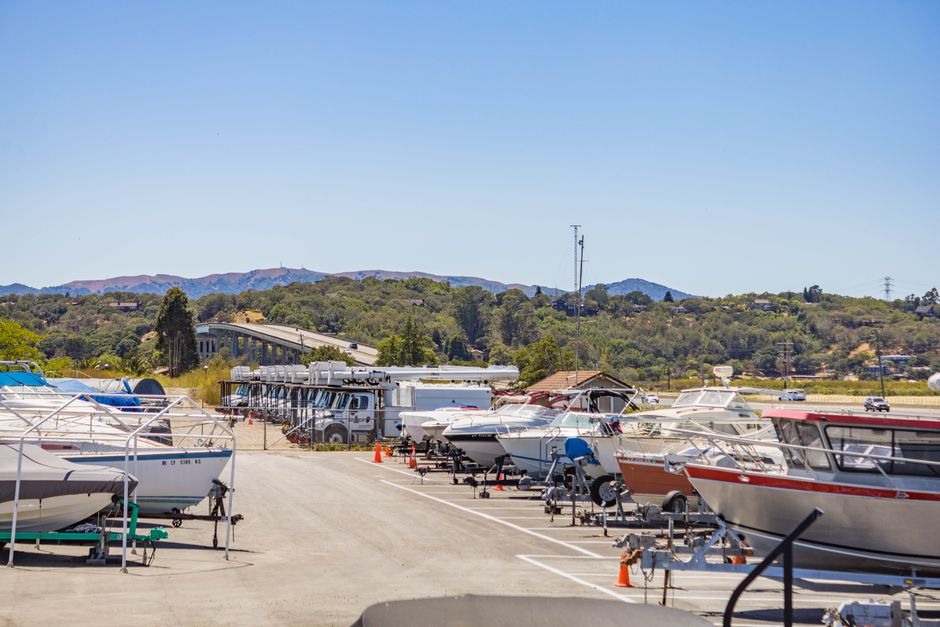
When designing or selecting RV storage buildings, climate control is the gold standard. If an indoor facility isn't available, high-quality breathable covers are essential for outdoor storage.
A good cover protects your finish from harsh winter elements while allowing moisture to escape, preventing mold growth underneath. Avoid using plastic tarps, which can trap moisture and cause significant damage to your sidewalls.
First-Time Winterizing: The Pink Stuff Breakdown
The most common question for beginners is: "How much pink stuff do I need?" As a rule of thumb, most travel trailers and mid-sized motorhomes require 2 to 3 gallons of RV antifreeze to fully protect the system.
- Drain all water tanks and the water heater.
- Bypass your water heater to avoid wasting antifreeze filling that tank.
- Use a blowout plug with an air compressor to remove excess water from lines.
- Pump RV-specific antifreeze through every faucet, showerhead, and the toilet until you see pink fluid.