



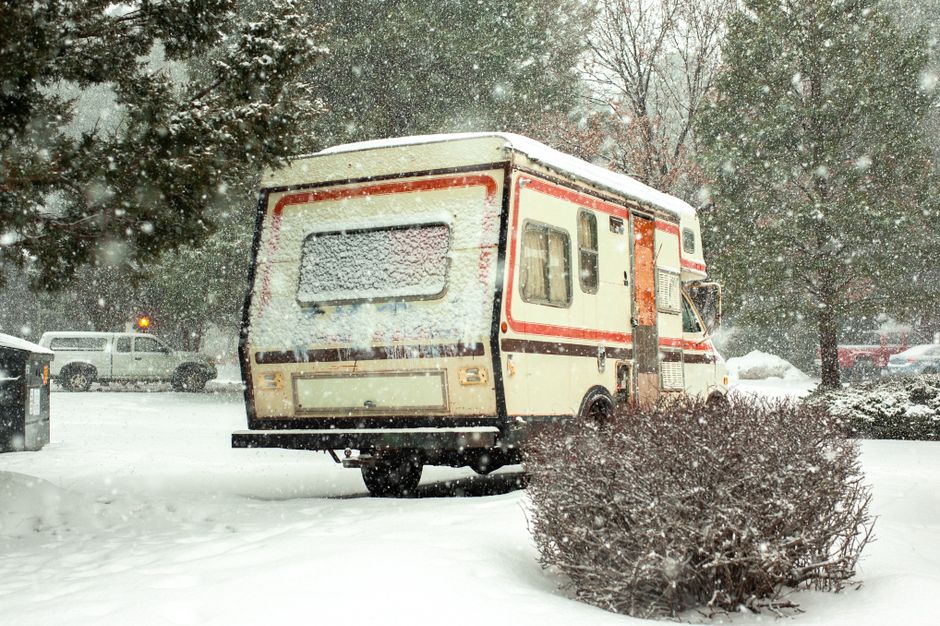
To Winterize or Not to Winterize?
If you live in a region where temperatures consistently drop below freezing, winterization isn't optional—it's a necessity. Leaving water in your lines, pump, or water heater can lead to catastrophic plumbing damage that costs thousands to repair in the spring.
For those in milder climates, you might get away with just draining your tanks. However, if an "early freeze warning" is issued, don't gamble. If you are near 8133 E 6th Avenue-Model Rv Park Unit 1, Mesa, AZ 85208, you might enjoy a reprieve, but if you're hitting the road toward colder states, always have your winterization kit ready.
The Pink Stuff: How Much Do You Need?
The age-old question for first-timers: how much RV antifreeze do I need? A standard 30-foot travel trailer typically requires 2 to 3 gallons of RV-specific antifreeze.
- Drain all holding tanks and the water heater.
- Bypass your water heater to avoid wasting 6-10 gallons of antifreeze filling it up.
- Open the lowest drain points in your plumbing system.
- Pump the antifreeze through each faucet, showerhead, and toilet until you see the pink color flowing.
Tires and Covered Storage Protection
Your tires take a beating in the sun, but storage also presents risks. If you are parking for an extended period, try to keep your tires off the bare ground using leveling blocks or rubber mats to prevent dry rot and moisture absorption.

Investing in high-quality covered storage is the gold standard. A roof over your rig protects seals from UV degradation and prevents snow weight from accumulating on slide-outs. If you can't find a dedicated structure, at least use high-quality tire covers to mitigate sun damage.
Finding the Right Storage Solution
When designing your own RV storage building or choosing a facility, consider accessibility and airflow. A building that allows for ventilation prevents mold growth inside your unit during the humid winter months.
Whether you are looking for long-term storage or a transient stop, locations like 8133 E 6th Avenue-Model Rv Park Unit 1, Mesa, AZ 85208 demonstrate the importance of secure, maintained environments. Proper storage planning today ensures your next adventure in the spring starts with a working rig.