



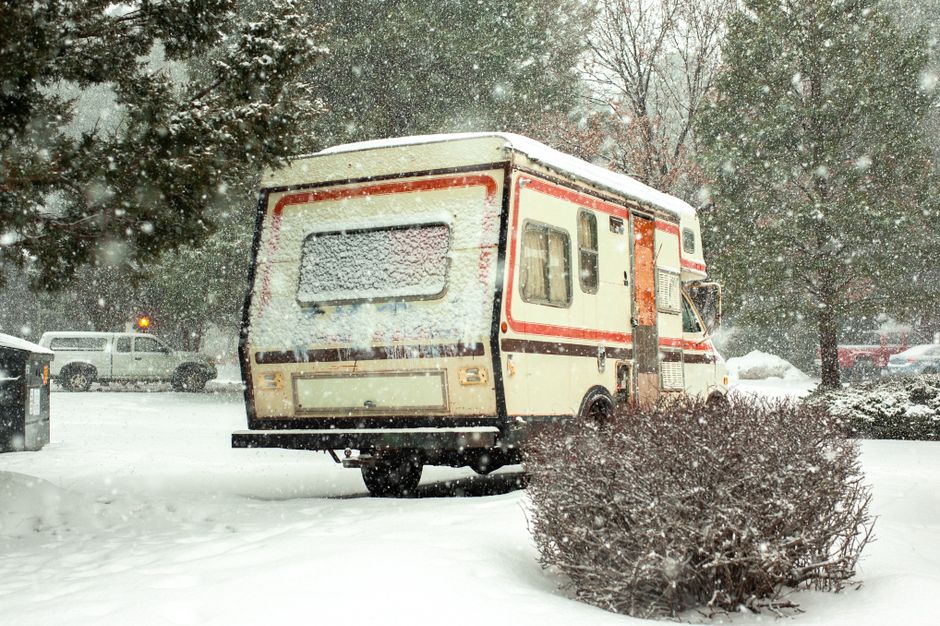
To Winterize or Not: The Reality of Freeze Protection
If you are facing an early freeze warning, the decision to winterize isn't optional—it is a necessity. Even if you plan on using your RV periodically, allowing water to sit in your lines during a deep freeze can lead to costly, catastrophic plumbing repairs.
For most, using RV-specific antifreeze (the "pink stuff") is the gold standard. A typical 30-foot trailer usually requires 2 to 3 gallons of antifreeze to ensure all lines and the water heater bypass are fully protected. Never use automotive antifreeze, as it is toxic and will ruin your potable water system.
Storage Solutions: From Covered Parking to Building Design
Whether you are a Winter Texan returning south or a northern RVer looking to store for the season, where you park matters. Covered storage is highly recommended to protect your roof seals and decals from harsh UV rays and heavy snow loads.
If you are looking to design your own storage building, prioritize ventilation to prevent moisture buildup and mold. For those choosing to rent, look for facilities that offer pest control and secure access. Many travelers are finding that as the demographic of Winter Texans changes, finding reliable, full-service winter storage in places like South Texas is becoming a priority for protecting their investment.
Essential Maintenance: Tires and Heating
A common debate is whether to heat under a trailer during winter. While it can prevent tank freeze-up, it is often safer to simply drain your tanks and utilize tank heaters or, better yet, bypass them entirely. If you choose to use heat, ensure the equipment is rated for continuous outdoor use and fire safety.
Tire care is another often overlooked aspect of long-term storage. Tires left in one spot for months can develop flat spots or dry rot. If you cannot move the rig every few weeks, use tire covers to shield the rubber from sunlight, and consider using jack stands to take the weight off the axles if the RV will remain stationary all season.