



Do You Really Need to Winterize?
The short answer is yes. If you live in an area that drops below freezing, even for a single night, your RV's plumbing system is at risk. An early freeze can burst pipes and crack fittings, leading to expensive repairs come spring.
Many first-timers ask how much 'pink stuff' (RV antifreeze) they need. Typically, two to three gallons is enough for a standard travel trailer, but always bypass your water heater first so you aren't wasting antifreeze filling a six-gallon tank.
Storage Solutions: Covered vs. Outdoor
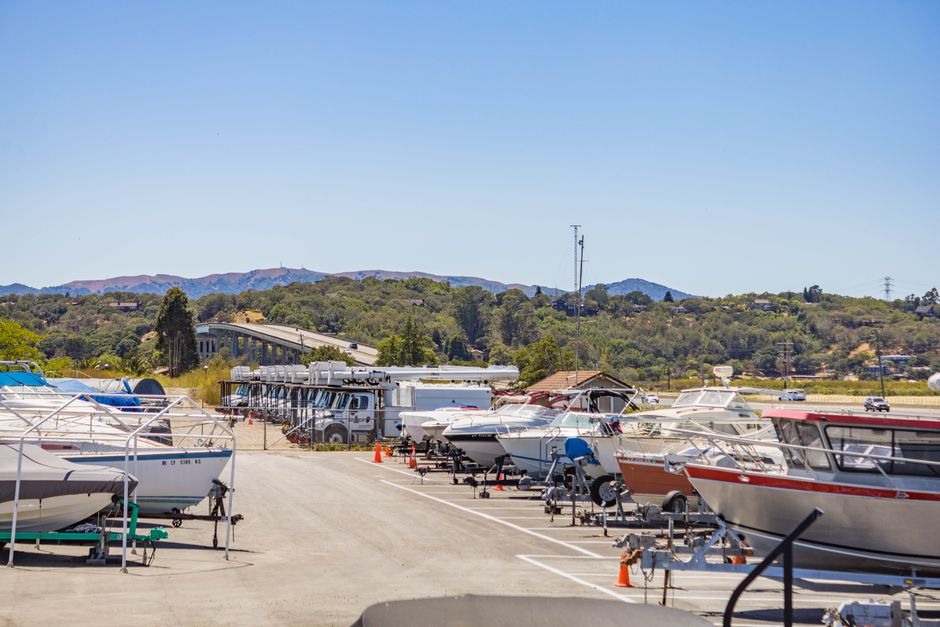
Choosing where to park your rig is just as important as the mechanical prep. Covered storage is the gold standard because it protects your seals from UV damage and snow weight, extending the life of your roof.
If you opt for outdoor motorhome storage, consider a high-quality, breathable cover. Avoid blue tarps, which can trap moisture and cause mold. For those planning to stay active, seek out campgrounds that offer year-round facilities with heated water hookups.
Tires and Heating: Pro Tips
Tire Care
Tires are vulnerable to dry rot and flat spots when sitting stationary all winter. If possible, move the RV occasionally or use tire covers to shield them from sun exposure. Never park on grass or dirt if you can avoid it; use leveling blocks or pads to prevent moisture wicking into the rubber.
Heating Under the Trailer
A common question is whether you should put heat under the trailer. While skirting the RV and using a small, thermostatically controlled heater can help keep tanks from freezing, it poses a significant fire risk if not managed correctly. Always prioritize proper insulation and antifreeze over makeshift heating solutions.